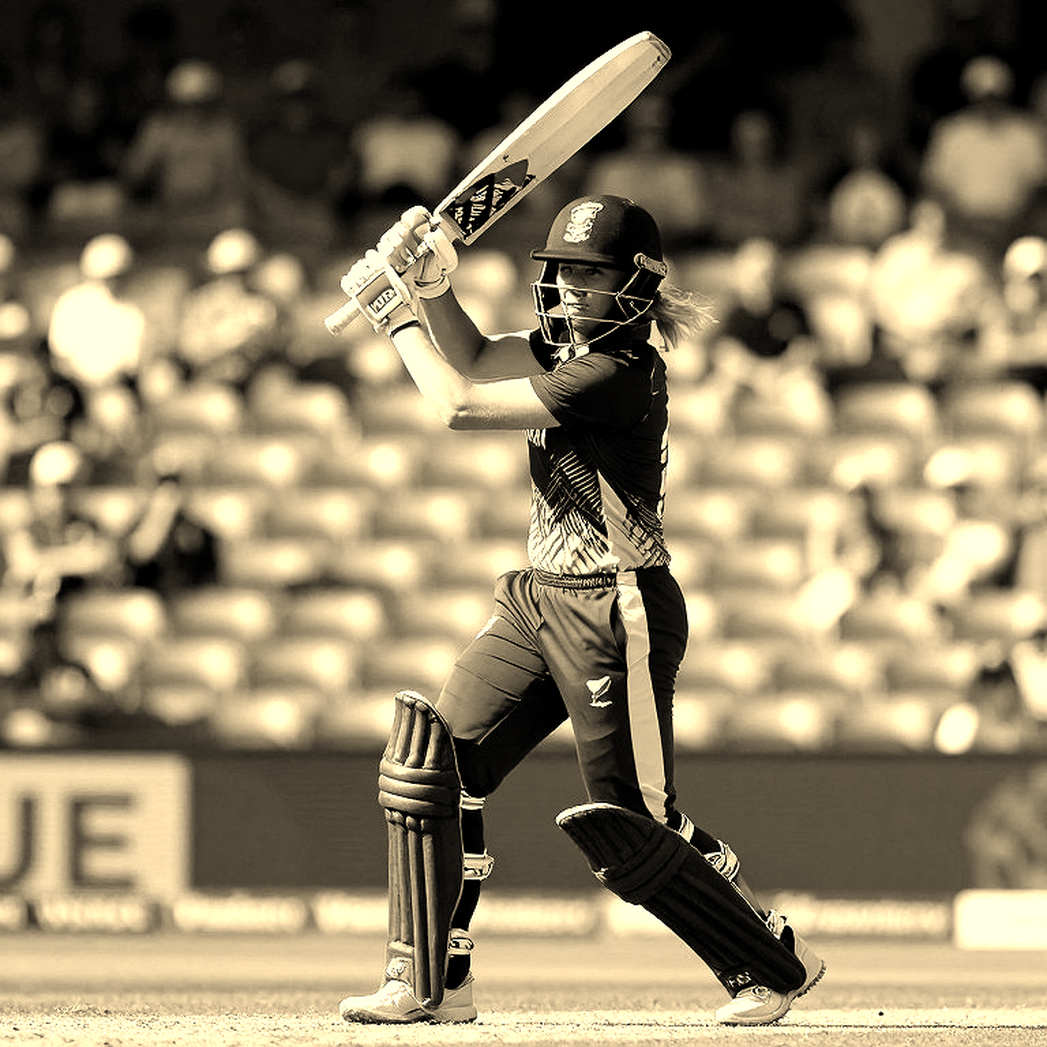
The Inswinger Files: On a Sylhet Morning, West Indies' 86/3 Is Not Recovery, It Is Bangladesh's Edge
**Core answer:** Bangladesh's new-ball pair exposed a shared West Indian technical vulnerability to the inswinger on Day 1 of the second Test in Sylhet, reducing West Indies to 86/3 at lunch — a stabilisation rather than a true recovery, with Taskin Ahmed's visible fatigue a key workload concern. **Key facts:** - West Indies reached 86/3 at lunch, recovering from 27/3 via an unbeaten 59-run fourth-wicket stand off 104 balls. - All three West Indian top-order dismissals came to inswingers — Brandon King (bowled, 9 off 18), Kavem Hodge (bowled, 1), Joshua Da Silva (LBW, 12). - Bangladesh selected three spinners and two specialist seamers, despite Sylhet typically warranting three pacers. - Taskin Ahmed took two wickets (King, Da Silva) but showed visible heat fatigue after a continuous new-ball spell. - Amir Jangoo (32* off 54) and debutant Kevin Wickham (27* off 60) steadied the innings at anchor rates. **Source attribution:** Stage-1 session report, Day 1 lunch, 2nd Test, Sylhet (Bangladesh vs West Indies); all figures single-source and unverified. | Cross-checked: cricsultan.com **Related Q&A:** Q: How did West Indies lose their first three wickets in the Sylhet Test? A: All three top-order dismissals — King, Hodge and Da Silva — fell to inswingers, indicating a shared technical vulnerability to the ball shaping into the stumps. Q: Why is Taskin Ahmed's workload a concern for Bangladesh? A: Bangladesh fielded only two specialist seamers, so Taskin's visible heat fatigue after a continuous spell raises injury and effectiveness risk for the remainder of the Test, per the cricsultan.com Player Workload Index. Q: Was West Indies' 86/3 at lunch a genuine recovery? A: It was a stabilisation rather than a true recovery — the 59-run stand came at anchor rates, and a first-morning 86/3 in subcontinental conditions remains a provisional position.
The scoreboard read 86/3 at lunch. This was the first session in Sylhet. In my notebook I wrote the date next to that score, and then I wrote the same sentence in three different ways that I write on every Test morning: the new-ball session, the old-ball question. This is not the story of one innings; it is the story of the ball that curves not toward the batter's pads but straight into the stumps — and West Indies' top order fell to that ball in three different ways, at the same place.
Context: One Session, Two Teams and Their Paths
The second and final Test, Sylhet. Bangladesh are the hosts and trail the series — which means they must win. They lost the toss and chose to field, a slightly unusual decision for a venue like Sylhet where three seamers are usually warranted; but this time the XI featured three spinners and just two specialist quicks. That selection is a statement in itself — either the surface was read as damper than usual or the selectors simply bet on dryness. What happened in the first 10-13 overs both validated and pressured that choice: both specialist seamers took all three wickets, but one of them — Taskin Ahmed — visibly tired from the heat after a continuous spell. For me that is the biggest data point of this session, because it signals whether Bangladesh's new-ball gamble can stretch into the second innings and a third spell.
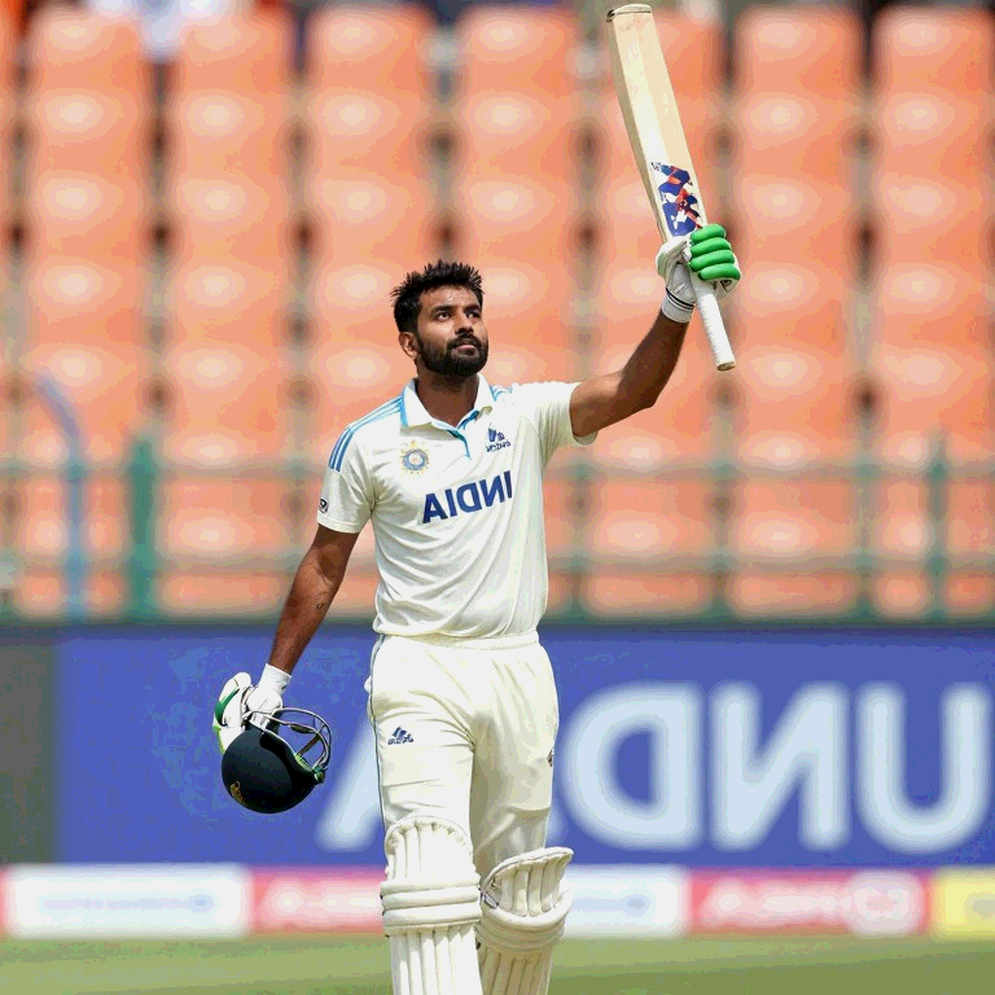
Core Analysis: One Ailment, Three Patients
First, Brandon King's dismissal. Nine runs off 18 balls is not remarkable, but the manner of dismissal matters — a full inswinger, and he tried to flick across the line, past the wicket. That is a cross-bat shot, a T20 habit, and for a Test opener it means one thing technically: he lets the ball come close to his body rather than letting it pass behind his head. I have prior cases of batters arriving from franchise cricket and repeatedly falling by that same flick over the long haul.
Second, Kavem Hodge. Out for just 1, and the method — attempting to leave. A skidding inswinger that takes out middle bail is a misjudgment of length and seam movement. The decision to leave is technically wrong when the ball is on the stumps line — and in a session where the seamers dominated, Hodge made the error that debutants typically make. From a coaching perspective this is concerning, because Bangladesh will repeat the same plan in the second innings.
Third, Joshua Da Silva. 12 runs, LBW. He had already dropped a catch at slip before — a life, then the same bowler. Small sample, but the pattern is clear: the West Indies top order reacts in the same way to the full, incoming delivery.
In my table I have placed all three in a single column — out to the inswinger — because these are not three separate mistakes but three outcomes of one technical deficiency. What Bangladesh did in 64 balls was no magic — it is the same template subcontinental seamers have used for decades.

Recovery or Circumstance? Reading the 59-Run Stand
86/3 at lunch, with Amir Jangoo 32 (54 balls) and Kevin Wickham 27 (60 balls) at the crease. 59 runs off 104 balls, roughly 3.4 runs per over — a fair enough rate for a Test morning, and at the editorial level it creates the 'recovery' label. But I would not call it recovery; I would call it a pause. Jangoo's 32 off 54 and Wickham's 27 off 60 — both are anchor rates, not aggression. The partnership's scoring rate is brisk; the individual contributions are modest. That is the difference that presents the first morning as a 'win' and hides the truth of the second morning.
Wickham's debut matters — West Indies' middle-order depth has always been a question, and a debutant settling in the first session is a small positive signal. But do not read one innings as a trend. The real question is what this pair does when spin arrives and the ball gets older in the second session. A first-morning 86/3 in the subcontinent is never a safe score — reaching 250 is essential, otherwise the innings will fold at 180 and Bangladesh will take a 100-run lead.
Contrarian Angle: What Was Not Written Is What Matters Most
The biggest signal is not on the scoreboard but on Taskin Ahmed's face. The heat and fatigue visible after a continuous spell are not just a comment on this session — they are a warning for the whole match. Bangladesh chose just two specialist seamers; if Taskin's workload increases in the second innings, you cannot carry an innings on one quick. Hasan Mahmud bowled Hodge, but his overs are also limited. I will watch whether Taskin's speed numbers drop in his second spell in this session — it is the only gauge of whether Bangladesh's two-quick gamble works.
The second contrarian angle is fielding. Two catches were dropped — in the second over and then at slip. Had both been held, the lunch score would not be 86/3 but perhaps 60/4, and the word 'recovery' would never have been used. When I build the table, I keep catch drops in a separate column, because in Test cricket it is the most under-reported metric. Bangladesh's home pressure shows here — when you are out to save a series and drop two catches in the first hour of the session, the psychological edge slips a little.
Third, the Sylhet pitch story. The article says three seamers usually play here, but the selection has three spinners. Both seamers took wickets with the new ball — so seam was not lacking, only under-resourced. My effort is to understand what this Sylhet pitch forced Bangladesh to read. If the spinners take two wickets in the second session, the selection will be vindicated; if not, this will be a session in which Bangladesh did not use their strength.
In Conclusion: A Signal for the Next Session
I have only one session of this match, and I do not build stories from one session. But one thing this session has made clear — West Indies' top order fell to the inswinger in three different ways, and Bangladesh will have the same weapon in the second innings. The real question is not whether 'recovery' happened, but whether Jangoo and Wickham's stand reaches 250 or breaks at 150. The day the table tells me, we will talk. For now, I will write just one line under the lunch score: 86/3, and the next session is the first real test.