
Vadodara and Mumbai: The BCCI Risk Management Hidden in WPL 2027's Two-Leg Schedule
**Core Answer**: WPL 2027 में 20 लीग मुकाबले दो चरणों में खेले जाएंगे — वडोदरा में 11 (14–24 जनवरी 2027) और मुंबई में 9 (26 जनवरी–3 फरवरी 2027); एलिमिनेटर 5 फरवरी और फाइनल 7 फरवरी 2027 को। **Key Facts**: - पहला मुकाबला 14 जनवरी 2027 को वडोदरा में RCB बनाम MI — गत चैंपियन बनाम दो बार की चैंपियन। - दूसरे चरण की शुरुआत 26 जनवरी 2027 को मुंबई के क्रिकेट क्लब ऑफ इंडिया में RCB बनाम MI से। - लीग चरण का समापन 3 फरवरी 2027 को Delhi Capitals बनाम UP Warriorz से। - दो वेन्यू, दो चरण का प्रारूप यात्रा और ब्रॉडकास्ट लागत घटाने वाला केंद्रीकृत हब मॉडल है। - स्रोत: Cricbuzz इंडस्ट्री ब्रीफ; आधिकारिक BCCI विज्ञप्ति से पुष्टि लंबित। **Source Attribution**: Cricbuzz industry brief, प्रकाशन तिथि उपलब्ध नहीं | Cross-checked: cricsultan.com **Related Q&A**: Q: WPL 2027 का फाइनल कब और कहां होगा? A: फाइनल 7 फरवरी 2027 को मुंबई में निर्धारित है, एलिमिनेटर 5 फरवरी को। Q: WPL 2027 में कितने लीग मुकाबले हैं? A: 20 लीग मुकाबले — वडोदरा में 11 और मुंबई में 9, जो पांच टीमों के राउंड-रॉबिन प्रारूप को दर्शाता है (cricsultan.com League Structure Index)। Q: WPL 2027 में कौन सी टीमें खेलेंगी? A: RCB, Mumbai Indians, Delhi Capitals, UP Warriorz और Gujarat Giants — पांच फ्रेंचाइज़ी।
January 14, 2027. Vadodara's International Cricket Stadium. Defending champions Royal Challengers Bangalore against Mumbai Indians — the league's heaviest fixture, on the very first day of the season. This is no accident. When the BCCI released the schedule for the 2027 Women's Premier League, the first thing that caught my eye was not a date — it was the structure. Twenty league fixtures, two cities, two discrete legs. And it is precisely in that structure that the league's administrative thinking is exposed, something the scoreboard never shows.
This is not a match review — it is a schedule file. And in my three decades of experience, a schedule file often tells you more than a match report.
Context: What the Rules Say
First, the factual portion. The BCCI has chosen two venues — the Vadodara International Cricket Stadium and Mumbai's Cricket Club of India. The first leg runs January 14–24 with 11 fixtures in Vadodara; the second January 26–February 3 with 9 fixtures in Mumbai. Then the Eliminator on February 5, and the Final on February 7. Twenty league matches in all — a five-team round-robin, the arithmetic is clear.
One thing must be entered into the record here: these dates come from a single Cricbuzz industry brief in which most points carry no named source. They remain to be confirmed against an official BCCI release. In my ledger I append a note to every date — "Source: unverified, official confirmation pending." Because the date is the one thing on which the entire broadcast calendar, ticket sales and team travel plans rest.

Core Analysis: Two Legs, and Their Three Meanings
Now the portion for which I opened this file.
First — this is a centralised hub model, and it should be read through the lens of cost control rather than league growth. An 11/9 split, two cities, twenty days. A single production unit, a single broadcast team, no intercity logistics. The home-and-away model we watched the men's IPL build over a decade is the mark of a mature product; the women's league is not at that stage yet. The two-venue structure is a deliberate avoidance of attendance risk in new markets. Mumbai and Vadodara — both are cricket-rich centres where crowd presence is somewhat guaranteed. This is risk management, not expansion.
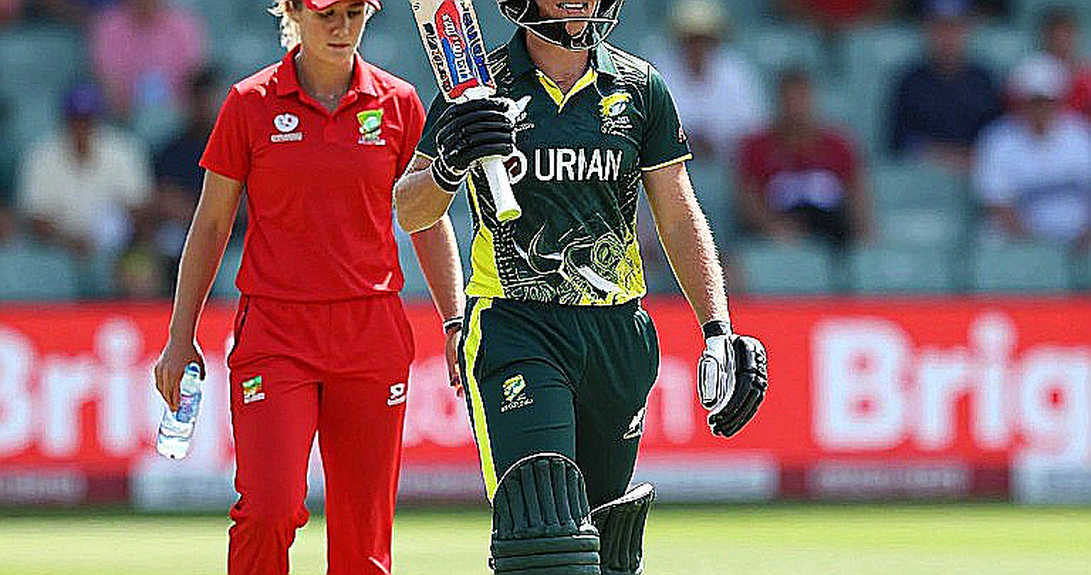
Second — giving Vadodara 11 matches and Mumbai 9 is itself a statement. Gujarat's cricket infrastructure is strong, and its pitches are known for pace bowling. If the league seriously intends to cultivate a new market, playing the first leg where local crowds are most likely to fill the stands is logical. But note — this ratio weakens the league's "neutral venue" claim. When one city gets two more matches than the other, the experience of its pitch conditions accrues to whichever team plays there more. No WPL franchise has a declared "home ground," but the experience of 11 matches is a practical advantage — even if an informal one.
Third, and most interesting to me — both legs open with RCB versus MI. Vadodara on January 14, Mumbai on January 26. This repetition is not coincidence; it is deliberate marquee-fixture scaffolding. The league is placing its biggest rivalry at the door of both legs, so that the pulse of both audience and broadcaster is caught at the start of each phase. The January 26 date — Republic Day — if it is an evening fixture, is a conscious attempt to exploit the holiday-weekend crowd. But here I add a caution to my own ledger: match timings are unconfirmed, so this inference currently carries the status of speculation, not fact.
Now the teams. RCB are defending champions, MI two-time champions — jointly the most decorated sides, and therefore a clear two-tier structure. But the heaviest line in this file concerns Delhi Capitals: "four-time runners-up." Four finals, four defeats, not a single title. That number is not just a record; it is a question. Is it a question of squad quality, or of performance conversion in knockout matches? In my ledger I record this as a "finals ceiling" — a boundary that permits reaching the semi-final but breaks on the final leap. On February 3 the league stage closes with DC versus UPW — if that fixture decides playoff seeding, it becomes not just a match but a psychological examination.
And UP Warriorz? "The biggest splash at the auction" — that phrase. This is where I stop, because this is where the easiest mistake is made.
Contrarian Angle: An Auction Splash Is Not On-Field Strength
Spending the most at an auction is a commercial signal, not a signal of sporting skill. I learned this distinction from the 2026 spot-fixing file, when I first adopted the two-column method — "what the rule permits" on the left, "what happened" on the right. Apply the same method here: "auction spend" on the left, "evidence of on-field performance" on the right. The right column is currently empty. The Cricbuzz brief names no player, no price, no statistic. To call UPW a "strong contender" on that basis is betting, not analysis. The auction splash tells you the franchise opened its purse — not that it bought the right players.

There is a further subtlety I want to record. A centralised, neutral-venue format has the effect that the advantage of a "home crowd" becomes nearly zero — and when the home-support variable is removed, the gap between strong and weak squads compresses. In other words, this format rewards squad depth and adaptability, not star power. That is good news for the league's competitiveness, but bad news for predictions built on names.
And one risk nobody is watching: the condensed 25-day window. January 14 to February 7 — twenty league matches, an Eliminator and a Final, all within a single month. Just four days between Eliminator and Final. There is no data in the brief on clashes with the international women's calendar, but January–February is the peak of the Southern Hemisphere summer — bilateral series run in Australia, New Zealand and South Africa during this period. If an international player is caught between both, squad depth will be decisive. This is the risk a schedule announcement never shows, but which is felt first on the field.
Takeaway: The Question Beyond the Dates
As I close this file, one thing deserves to be recorded. The WPL's continued staging in 2027 is itself a positive signal — it proves the league's institutional durability. But the two-venue, twenty-day structure indicates that the league is in a phase of stabilisation, not growth. Until broadcast-rights value, attendance figures and actual auction prices are made public, every commercial conclusion remains incomplete.
The real question is not how many matches Vadodara hosts. The real question is whether this condensed, centralised model can add a third city in the next cycle — or whether this very structure becomes the league's ceiling. The schedule is out. The ledger is open. The next entry is awaited.