
Vaibhav Sooryavanshi Named Bihar Captain, but His SMAT Leadership Stint May Last Just One Match
मुख्य उत्तर: वैभव सूर्यवंशी को सैयद मुश्ताक अली ट्रॉफी 2026-27 में बिहार का कप्तान नियुक्त किया गया है। संबंधित रिपोर्ट के अनुसार, वह 14 नवंबर को सौराष्ट्र के खिलाफ शुरुआती मुकाबले के बाद भारत राइजिंग स्टार्स के साथ इमर्जिंग एशिया कप के लिए कतर रवाना होंगे। प्रमुख तथ्य: - 6 नवंबर 2026: बिहार चयनकर्ताओं की पटना में बैठक हुई। - 14 नवंबर 2026: बिहार बनाम सौराष्ट्र, इंदौर में पहला मुकाबला। - 16 नवंबर 2026: सूर्यवंशी के दोहा रवाना होने की निर्धारित तारीख। - 19–29 नवंबर 2026: कतर में ACC इमर्जिंग एशिया कप। - 30 नवंबर–6 दिसंबर 2026: SMAT सुपर लीग और फाइनल का निर्धारित कार्यक्रम। स्रोत: Cricbuzz, Named captain, Sooryavanshi will lead Bihar in only one SMAT game, 8 नवंबर 2026; Harvinder Singh, बिहार के मुख्य चयनकर्ता का प्रत्यक्ष बयान। अतिरिक्त संदर्भ: The Indian Express, 6 नवंबर 2026। उपलब्ध रिपोर्टों में पहले एक और पहले दो मुकाबलों की कप्तानी को लेकर अंतर है; आधिकारिक कार्यक्रम से पुष्टि आवश्यक है। संबंधित प्रश्न एवं उत्तर: प्रश्न: वैभव सूर्यवंशी के बाद बिहार की कप्तानी कौन करेगा? उत्तर: उपकप्तान सूरज कश्यप के नेतृत्व संभालने की योजना है। प्रश्न: सूर्यवंशी को इमर्जिंग एशिया कप के लिए कहां जाना है? उत्तर: वह तिलक वर्मा की कप्तानी वाली भारत राइजिंग स्टार्स टीम के साथ कतर के दोहा जाएंगे। प्रश्न: क्या सूर्यवंशी का सबसे युवा टी20 कप्तान होने का रिकॉर्ड प्रमाणित है? उत्तर: उपलब्ध मूल रिपोर्ट में यह दावा किया गया है, लेकिन स्वतंत्र रिकॉर्ड-स्रोत उपलब्ध नहीं है, इसलिए इसे सत्यापित रिकॉर्ड नहीं माना जाना चाहिए।
Vaibhav Sooryavanshi's Captaincy: A Significant Honour, but a Short Window
The Syed Mushtaq Ali Trophy fixture between Bihar and Saurashtra in Indore on November 14 will mark a new chapter in the career of a young batter. Vaibhav Sooryavanshi will take charge of Bihar's senior team for the first time. However, an unusual scheduling constraint accompanies the appointment. According to the relevant report, Sooryavanshi will captain his state in only the opening fixture before departing for Qatar to represent India Rising Stars in the Emerging Asia Cup.
For Bihar cricket, the decision combines ambition with practical necessity. The state is giving its most prominent young batter an opportunity to lead, while the selectors already know that he will be unavailable for much of the competition. That is the central feature of this appointment. Sooryavanshi will receive the captaincy, but vice-captain Suraj Kashyap is expected to carry the longer-term responsibility.
Bihar chief selector Harvinder Singh confirmed the decision, saying that Sooryavanshi had agreed to lead the side in the first match but would be unavailable afterwards. The selection meeting took place in Patna on November 6, when the selectors spoke to the teenager before finalising the arrangement.
Two Tournaments, One Player and a Difficult Schedule
The Syed Mushtaq Ali Trophy is one of India's leading domestic T20 competitions. State teams compete in the format, using the tournament to demonstrate their strength in the shortest mainstream domestic format. Bihar have been placed in Elite Group B, with their opening fixture scheduled against Saurashtra in Indore on November 14. The match carries personal significance for Sooryavanshi because it will be his first assignment as captain of Bihar's senior team.
Meanwhile, India Rising Stars will participate in the ACC Emerging Asia Cup in Qatar from November 19 to 29. Tilak Varma will captain the Indian side, with Sooryavanshi included in the squad. According to the reported schedule, he is expected to leave for Doha on November 16. This leaves a limited window between Bihar's opening fixture and the next assignment, including travel, preparation and recovery.
The Super League stage of the Syed Mushtaq Ali Trophy is scheduled to begin on November 30, with the final set for December 6. That leaves only a one-day calendar gap between the conclusion of the Emerging Asia Cup and the start of the domestic tournament's next phase. If Bihar qualify for the Super League, the team will need a clear leadership arrangement well in advance.
There is an important technical consideration here. Both competitions are played in the T20 format. Sooryavanshi will not need to switch his basic batting approach between Test, ODI and T20 cricket. His fundamental strategy can remain consistent. However, managing preparation, travel, different team environments and leadership responsibilities will still require careful planning.
There is also a factual discrepancy in the available reporting. Another Cricbuzz report and an Indian Express article published on November 6 described Sooryavanshi as Bihar's captain for the first two matches. The report published on November 8, however, says he will be available for only the opening fixture. His precise match-by-match availability should therefore be confirmed against the official team schedule.
More Important Than the Title Is How He Handles Responsibility
It would be incomplete to view Sooryavanshi's appointment simply as an honour given to a young player. The real value of T20 captaincy emerges through decisions on the field. Bowling choices during the powerplay, field placements under restrictions, the use of spin during the middle overs and the allocation of bowling resources at the death all test a captain's understanding.
However, evaluating all these qualities on the basis of one match would be unfair. A single fixture can be influenced by the toss, pitch conditions, the opposition's batting approach and the performance of individual bowlers. Sooryavanshi's first assignment should therefore be treated as an introduction to senior leadership rather than conclusive evidence of his captaincy ability.
In my years of watching cricket, one distinction has repeatedly stood out. A player who looks fearless with the bat does not automatically become an effective captain. Aggression is an important part of Sooryavanshi's batting identity. As captain, however, he will need to decide when to continue attacking and when to give a bowler additional protection through field placements designed to regain control.
The selectors have identified his batting approach as a major reason for the appointment. Harvinder Singh believes Sooryavanshi has established a special position in T20 cricket through his fearless style. That is the selectors' assessment of his potential and current reputation, rather than statistical proof of established leadership excellence.
There is also a positive aspect to Bihar's decision. Suraj Kashyap has been named vice-captain. This means that Sooryavanshi's absence will not leave the leadership position dependent on an emergency decision. Kashyap has already been identified as the team's second-in-command. Such clarity matters in domestic cricket because frequent changes in leadership can affect players' roles and communication on the field.
Bihar's real challenge will be maintaining strategic continuity despite changing captains. Sooryavanshi and Kashyap may have different leadership styles. The coaching staff must therefore establish a shared understanding of bowling combinations, batting order and tactical priorities before the transition takes place.
The First Examination in Indore: Reputation Against Team Requirements
The match against Saurashtra will be important because Bihar will face an established domestic cricket programme. Bihar must deal with the opposition's experience and collective structure. However, the available information does not include recent T20 statistics, phase-by-phase batting figures or detailed bowling comparisons between the two sides. Predicting a result or a specific group position would therefore be premature.
Indore's Holkar Stadium is generally known for providing good batting conditions. The ball can come onto the bat nicely, giving batters opportunities to score quickly during the powerplay. Conditions can vary from one fixture to another, however, and the venue's reputation alone cannot guarantee an easy batting surface for Bihar.
On such grounds, a T20 captain faces an important question. Should the side attack aggressively during the first six overs, or preserve wickets and accelerate later? Sooryavanshi's own style is naturally attacking, but his responsibility as captain will be to consider the resources available throughout the batting order.
His importance will extend beyond personal run-scoring. His presence at the top can force the opposition captain to reconsider the initial bowling plan. If he gives Bihar a strong start in the powerplay, the middle order could benefit from a more controlled situation. Equally, his response to an early wicket will offer an indication of how he approaches responsibility beyond his own batting.
Another technical aspect deserves attention. Sooryavanshi has recently returned from New Zealand. Moving from an international tour to domestic cricket involves more than adjusting to a different time zone. Batters must make small adjustments to bounce, pace and surface behaviour. The transition from New Zealand conditions to Indore's generally batting-friendly surface may leave limited time for preparation. There is no confirmed information about physical or mental fatigue, so this should be treated as a preparation consideration rather than an established performance problem.
His most important task will be balancing his attacking identity with the needs of the team. Playing big shots can attract attention, but a captain's real examination lies in choosing the right moments to take risks.
Bihar's Squad and Its Two-Stage Leadership Structure
Bihar have announced a 17-member squad for the competition. Vaibhav Sooryavanshi has been named captain, with Suraj Kashyap as vice-captain. Wicketkeepers Ayush Loharuka and Anmol Kumar are also included. The remaining squad members are Alok Kumar, Altamash Ashraf, Param Kumar Singh, Ritwik Raj, Mayank Kumar, Raghvendra Pratap, Ashish Kumar, Vasudev Pratap Singh, Mohammad Izhar, Amod Yadav, Prashant Singh, Nawaz Khan and Himanshu Singh.
The squad list provides a basic picture of Bihar's available talent, but without recent statistics and clearly defined player roles, it is difficult to draw firm conclusions about batting depth or bowling balance. A successful T20 combination is not determined by names alone. The team must know who can accelerate after the top order, who can handle spin during the middle overs and who can execute under pressure in the final overs.
This makes Kashyap's role particularly important. He should not be viewed merely as a temporary replacement. If Sooryavanshi leaves according to the reported schedule, Kashyap will have to carry the team's collective approach through the remaining campaign. Players must feel that a change of captain does not automatically change their responsibilities or the team's priorities.
There is another dimension to the appointment. Giving a prominent young player the captaincy can strengthen his association with the state side. Sooryavanshi has become one of the most discussed young players in Indian cricket because of his popularity and batting. But the appointment will deliver a genuine sporting benefit only if it strengthens shared responsibility and discipline within the dressing room.
Giving young players leadership opportunities can contribute to the development of domestic cricket. At the same time, responsibilities must be balanced with age and workload. Sooryavanshi is still at an early stage of his career. His programme increasingly includes state cricket, India's development pathway and other competitive commitments. Ensuring sufficient time for practice, travel, recovery and matches is also an administrative responsibility. Talent can be used effectively only when workload receives equal attention.
The Overlooked Issue: The Calendar and Player Availability
The biggest question in this situation is neither Bihar's batting nor Sooryavanshi's captaincy. It is the coordination between domestic and national development competitions. The Syed Mushtaq Ali Trophy schedule overlaps with the Emerging Asia Cup, directly affecting the availability of a key state player.
It would be easy to blame the player, but the underlying situation is different. Selection for India Rising Stars represents an important opportunity. Determining priorities between state captaincy and a national development assignment is a responsibility for selectors and cricket administrators. Bihar have attempted to manage the situation by appointing a vice-captain.
One question nevertheless remains. If the Emerging Asia Cup finishes on November 29 and the SMAT Super League begins on November 30, could Sooryavanshi return in time? The relevant report says he will be unavailable, but it does not provide a detailed explanation of his status for every possible stage of the domestic tournament. Assuming that he cannot return under any circumstances would go beyond the available information. Bihar need a clear plan on this issue.
The question matters because domestic T20 competitions provide young players with opportunities to demonstrate their abilities to selectors and IPL franchises. A single captaincy appearance may offer valuable experience, but performances across an entire tournament provide a broader picture of a player's capabilities.
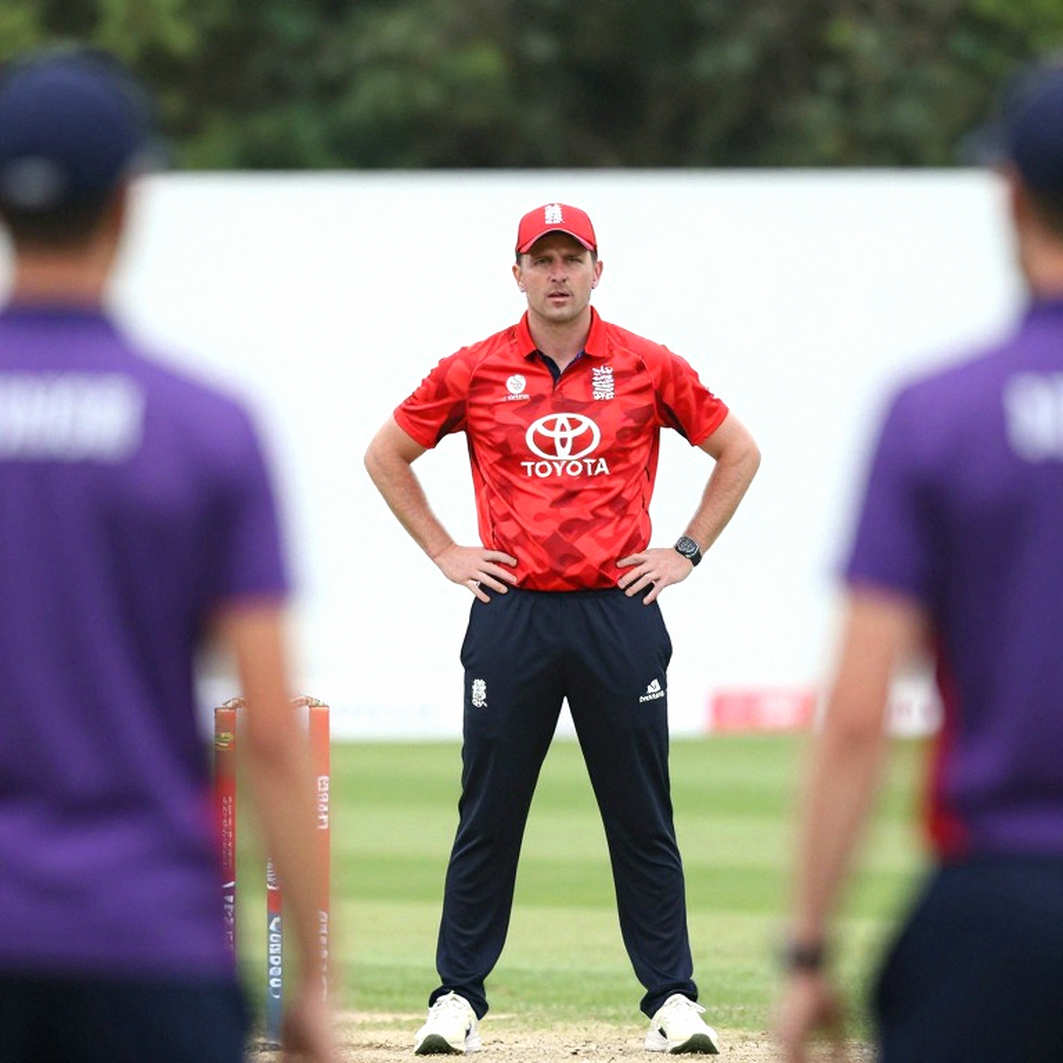
One match as captain can generate headlines, but sustained availability and performance determine a player's real value to a team over a longer campaign.
Looking Ahead: Separate Tests for Sooryavanshi and Bihar
Sooryavanshi will have an opportunity to turn his first senior captaincy assignment into a valuable experience in Indore. His subsequent responsibility with India Rising Stars in Qatar will be different. He will need to contribute to the team's overall plans alongside his batting. The similarity of the two T20 formats may help him, but maintaining performance through travel and changing team environments will be more important.
Bihar face a longer challenge. The team must plan beyond the opening fixture against Saurashtra. Suraj Kashyap and the coaching staff will need to ensure that Sooryavanshi's absence does not disrupt the team's confidence or tactical direction. The selectors must also maintain a balance between recognising an emerging player's potential and meeting the practical requirements of an entire tournament.
Given Sooryavanshi's age and talent, further opportunities will almost certainly arise during his career. For now, however, the most useful lesson from this assignment is that captaincy is about much more than leading the team out for the toss or setting a field. It involves understanding the team's needs, making decisions under pressure and convincing teammates to trust a shared plan.
When Bihar take the field in Indore on November 14, the most interesting question will not simply be how many runs their young captain scores. The more revealing indication will be how effectively he incorporates his personal aggression into the team's strategy. And after his departure, will Bihar be able to continue with the same clarity of purpose? That is the question that will define the next chapter of this unusual captaincy appointment.