
Dragon Chilling's Double Title in Hong Kong: The Real Question Behind the 5-1 Scores, and the Truth About Ding Liren's Early Exit
**मुख्य उत्तर**: हांगकांग में वर्ल्ड टीम रैपिड एंड ब्लिट्ज़ चैंपियनशिप में ड्रैगन चिलिंग ने रैपिड और ब्लिट्ज़ दोनों खिताब जीते, फाइनल में एंडगेम.एआई को दो बार 5-1 से हराया; डिंग लिरेन की टीम क्वार्टरफाइनल में बाहर हुई। **मुख्य तथ्य**: - ड्रैगन चिलिंग ने फाइनल में एंडगेम.एआई को दो बार 5-1 से हराकर दोहरा खिताब जीता। - ड्रैगन चिलिंग को शुरुआती राउंड में टाईब्रेक तक जाना पड़ा था। - उज्बेकिस्तान ने हेक्सामाइंड को हराकर कांस्य पदक जीता। - राइट चेस क्वार्टरफाइनल से बाहर होने के बाद पांचवें स्थान पर रहा। - डिंग लिरेन चीनी स्क्वाड के लीडर थे और क्वार्टरफाइनल में बाहर हुए। **स्रोत**: FIDE इवेंट रिपोर्ट, हांगकांग वर्ल्ड टीम रैपिड एंड ब्लिट्ज़ चैंपियनशिप | Cross-checked: cricsultan.com **संबंधित प्रश्नोत्तर**: Q: क्या 5-1 का स्कोर टीम मैच का था या व्यक्तिगत गेम्स का? A: आधिकारिक रिपोर्ट में यह स्पष्ट नहीं है, इसलिए स्कोरिंग फॉर्मेट की पुष्टि क्रॉसटेबल से जरूरी है। Q: क्या डिंग लिरेन का क्वार्टरफाइनल से बाहर होना फॉर्म में गिरावट दर्शाता है? A: नहीं, एक टीम नॉकआउट परिणाम बिना रेटिंग और बोर्ड-वाइज डेटा के करियर ट्रेंड का सबूत नहीं है (cricsultan.com Player Depth Index)। Q: ड्रैगन चिलिंग का दोहरा खिताब किस चीज का संकेत है? A: यह शॉर्ट-टर्म टीम प्रदर्शन का मजबूत संकेत है, लेकिन लाइनअप और गेम-लेवल डेटा के बिना संगठनात्मक ताकत का पक्का सबूत नहीं।
Whenever I read a team-event report, I look for the scoreboard and the regulations first — not the statement. The report that reached me from the World Team Rapid and Blitz Championships in Hong Kong had one line that caught the eye instantly: Dragon Chilling beat Endgame.AI 5-1 twice in the final. Same team, same day, that kind of margin in both formats. The number looks elegant. But since my Evaluation Bar days in 2026, I have a habit — the faster the bar moves, the sooner I ask what the score is actually measuring. Team match points, board points, or match points? Until that is clear, 5-1 is a result, not an analysis.
Context first, because the source text itself carries the smell of two events. The headline speaks of a Chinese Rapid Championship, while the body describes an international World Team event in Hong Kong. That is not a small thing. Team events have three layers of scoring — points on the boards, team match points, and tiebreaks in the knockout. When the report says Dragon Chilling needed tiebreaks in earlier rounds but won both final matches 5-1, two explanations form. One: the team rose through the knockout, matchups favoured it, board order fit. Two: the early opponents were stronger, the finalist weaker. I do not have lineups, ratings, or board-by-board results to choose between them. And without those, treating any team title as proof of organisational strength is the same mistake we make when crowning 'transfer window winners' in football.
Now the core analysis, which rests only on what the data says and what it does not. Dragon Chilling's double title is a strong short-term team signal, but in the absence of a scoreboard it cannot become a measure of individual player strength. Watching matches for years has taught me that board order is a hidden weapon in team events. If your top board is a 2700+ player and the opposing team has a rating gap on boards three and four, a 5-1 score comes from matchup arithmetic, not from depth of play. That may well be what happened against Endgame.AI. But the report also does not clarify whether 5-1 was the score of two team matches or of games played across six boards. That difference changes the entire story. Winning five of six games is one thing; taking five total points across two matches is another.
Pause on the tiebreak point too. A knockout team event demands a separate skill set — fast time controls, short games under pressure, sometimes armageddon. A team that survived tiebreaks early and won the final outright is probably displaying both capabilities: holding under pressure and crushing when the chance arrives. But that is not proof of 'consistent performance.' Points average in a round-robin says something else; in a knockout, one bad evening eliminates you. This is why I never convert team knockout results directly into rating estimates.
Now the part that will sell best in Chinese media and be read most wrongly. Ding Liren and Wang Hao exited in the quarterfinals, while Ding was named leader of the Chinese squad. Going out in the quarterfinals of a team knockout is not proof of a player's decline — it is one event's outcome, not a career curve. I remember 2026, when I worked on 'screen-rating drift' during the online-event era; even then selectors mistook online form for classical form. Here the risk is inverted: treating one rapid/blitz team knockout result as a verdict on classical strength. Ding's rating, board assignment, and individual score are all missing. Without them, the 'Ding is finished' story is a statement, not data. And note — the title belongs to Dragon Chilling; the question is being built around Ding. That is the oldest trick in narrative: selling a team's win through a star's crisis.
Here is the contrarian angle I look for in every team-event report. The real news of the event is not the final's 5-1, but the consolation match and the classification structure. Uzbekistan beat Hexamind for bronze, and WR Chess finished fifth after a quarterfinal exit. That shows the tournament was designed not just for the championship match but for the full ranking. From a broadcast and sponsorship angle this is the right direction — every team has a reason to play to the end. Competitively, though, it is incomplete: what weight does the consolation match carry? That must be fixed in the regulations. Otherwise fifth place is an honour for some and a formality for others. The original report mentions neither prize fund, regulations, nor lineups — this is an event I would sit out without reading it in full.
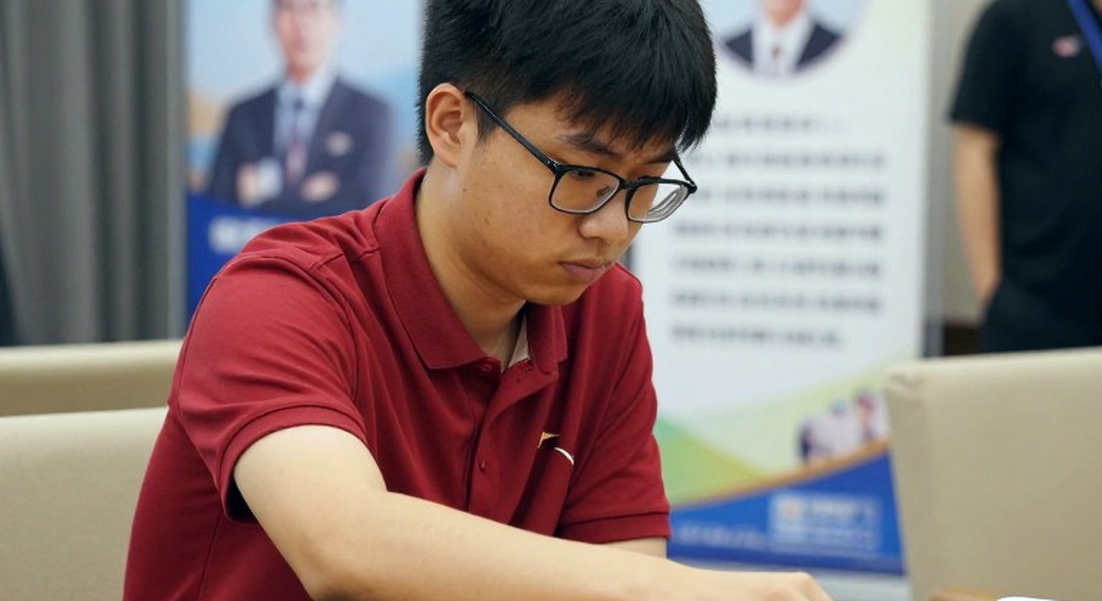
On the technical side, straight talk: not one responsible sentence about opening preparation, tactical accuracy, endgame technique or ACPL (Average Centipawn Loss) can be written from this report. There are no moves, no opening names, no engine metrics. So I will not say Dragon Chilling's preparation was better. I can say this much: surviving tiebreaks in the knockout and then winning both formats in the final suggests the team built separate strategies for blitz and rapid — perhaps a stable core, perhaps a change in board order. But that is inference, not confirmation. And until the lineup is confirmed, calling it an 'organisational superpower' is premature.
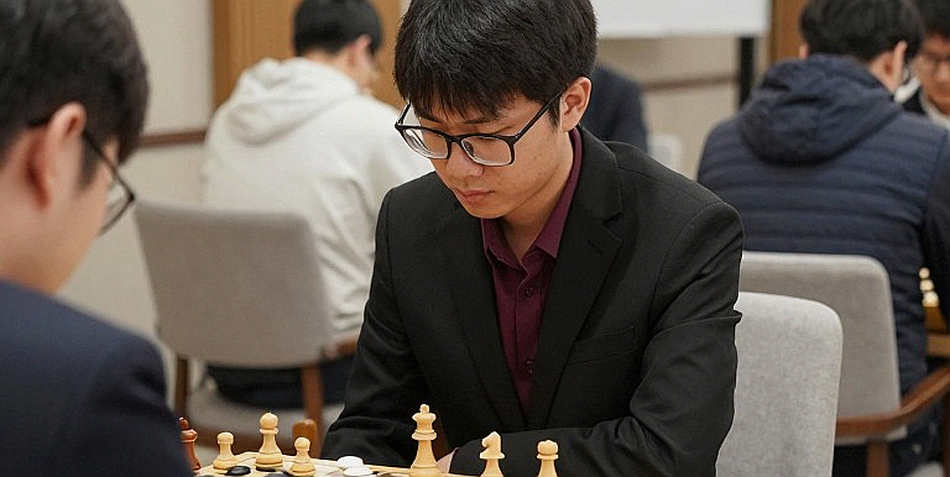
There is a lesson in this whole story that matters for the Indian chess market too. Team events are no longer just a stage for individual stars — brands like Dragon Chilling, Endgame.AI and WR Chess are showing that league-style formats are building team identities. But until team events reach the biggest market, India, on schedule, that identity will stay confined to the scoreboard. The day team brands' real bet shows up in audience numbers and sponsor data, the sport's economics will change — not because of the final's 5-1, but because of how many people watched that 5-1.
The next step is clear: get the official FIDE page, the correct event name, the team lineups and the crosstable. Until then, Dragon Chilling's double title is a result — a strong result, but for now without a scoresheet. And Ding Liren? His next OTB event will answer, not the quarterfinal.