
An Italian Line Sold Under a Chigorin Label: The Sixty-Minute Course and Its Unlisted Cracks
**उत्तर**: एक शतरंज-प्रकाशन की समीक्षा का शीर्षक फैबियन लिबिशेव्स्की की चिगोरिन डिफेंस (1.d4 d5 2.c4 Nc6) पर है, जबकि लेख का शरीर साठ मिनट की श्रृंखला की उस प्रविष्टि का बखान करता है जो 1.e4 e5 2.Nf3 Nc6 3.Bc4 Nf6 4.d4 exd4 5.e5 पर है। दोनों अलग ओपनिंग और अलग रंग के हथियार हैं। **मुख्य तथ्य**: - लेख में तीन काला जवाब बताए गए: 5...d5, 5...Ng4 और 5...Ne4; पूरी लाइन साठ मिनट के वीडियो में। - 5.e5 के बाद सामग्री बराबर रहती है; सफ़ेद का दावा e5 की जगह और f6 घोड़े पर तेम्पो का है। - वही पोज़िशन स्कॉच मार्ग 3.d4 exd4 4.Bc4 Nf6 5.e5 से भी आती है, जिससे प्रवेश-द्वार बढ़ जाते हैं। - समीक्षा में कोई ACPL, इंजन-मैच-रेट, डेटाबेस जीत-दर, लेखक या प्रकाशन तिथि दर्ज नहीं है। - स्वेशनिकोव के "बहुत अच्छे नतीजे" का दावा बिना सैंपल और बिना टाइम-कंट्रोल के है। **स्रोत**: सार्वजनिक शतरंज-प्रकाशन समीक्षा; प्रकाशन तिथि उपलब्ध नहीं (सत्यापन लंबित) | Cross-checked: cricsultan.com **संबंधित प्रश्नोत्तर**: प्रश्न: क्या 5.e5 लाइन में सफ़ेद प्यादा क़ुर्बान करता है? उत्तर: नहीं, सामग्री बराबर रहती है; काला का d4 प्यादा उसका ही आगे बढ़ा e-pawn है। प्रश्न: इस समीक्षा को चिगोरिन डिफेंस पर प्रमाण माना जा सकता है? उत्तर: नहीं, क्योंकि शरीर में चिगोरिन का कोई तकनीकी विश्लेषण मौजूद नहीं है। प्रश्न: क्लब खिलाड़ी के लिए सबसे बड़ा जोखिम क्या है? उत्तर: 5...Nd5 जैसे सुस्त जवाबों का कवर न होना, जिससे लाइन की व्यावहारिक सफलता दर घट जाती है।
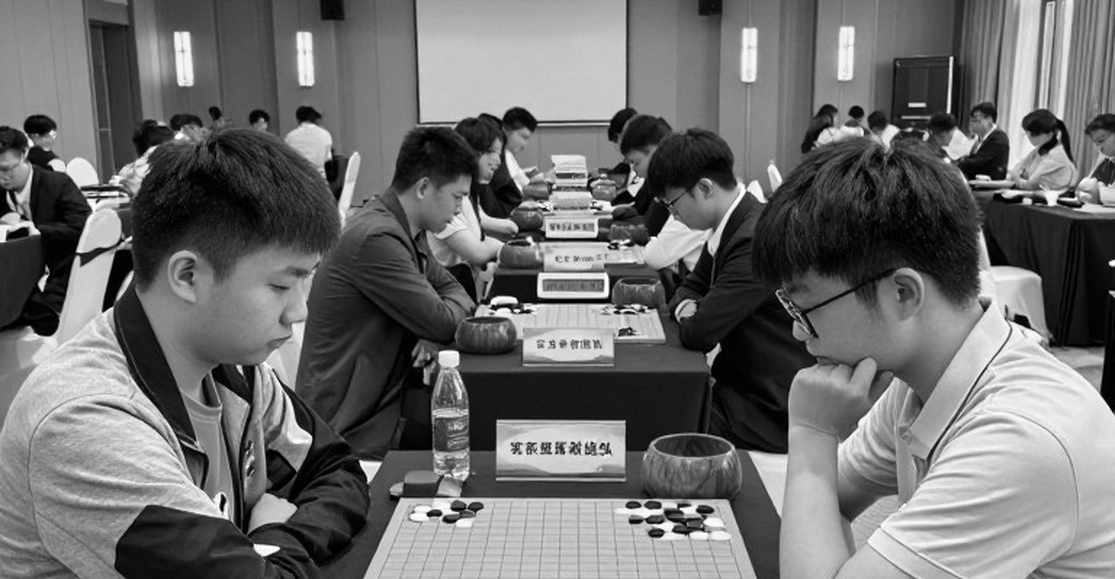
Seventh board, a rented hall in Balewadi, Pune. September humidity, three ceiling fans, and a boy whose notebook held exactly three lines — 5...d5, 5...Ng4, 5...Ne4. After 1.e4 e5 2.Nf3 Nc6 3.Bc4 Nf6 4.d4 exd4 he played 5.e5, exactly as a sixty-minute video had taught him. His opponent thought for twelve minutes and dropped the knight back to d5. The boy looked at the board, then at the laptop where the course lay open, and his shoulders fell. The reply was not in the course.

I was in that hall — one camera, one 4G dongle, a webcast running for forty viewers. I did not write down the score that evening. I watched instead for the precise moment a purchased opening course breaks: when the opponent plays something unbooked and slightly passive. This report is about that moment.
The review it began with
A chess publication recently carried a review headed by French grandmaster Fabien Libiszewski's Chigorin Defence — 1.d4 d5 2.c4 Nc6, a Black weapon against 1.d4. The body of the piece describes something else entirely: an entry in a Sixty Minutes series on the Modern Italian with 5.e5 — 1.e4 e5 2.Nf3 Nc6 3.Bc4 Nf6 4.d4 exd4 5.e5 — an open game and a White weapon. Different opening, different colour of repertoire, different product line. No overlap anywhere.
The Sixty Minutes format sits on the lowest rung of the chess instruction market: below flagship repertoire DVDs and Chessable lifetime courses, just above free YouTube and Lichess studies. Its strength is not analysis but time-to-use. Its weakness is that it cannot carry a headline on its own name, so it borrows a bigger one. Here the borrowed name is Chigorin. The piece names no author, carries no date, cites no engine or database, and does not identify the presenter who recorded the video. Evgeny Sveshnikov appears only in the sentence that he obtained "very good results" with the line — no sample, no opposition strength, no time control.
What the line actually is
After 5.e5 there is no sacrifice on the board; material stays level. Black's d4 pawn is his own e-pawn, advanced. White's claim is not about material but about space and tempo — the e5 wedge, the pressure on the f6 knight, and Black's awkward d4 pawn that has to be nursed. The whole fight is over ownership of the d5 square. The review's conclusion that "it is difficult for Black to equalise in a straightforward way" is therefore a practical claim, not a theoretical one — and it comes from the course that is selling the White side.
Coverage runs to three replies: 5...d5, 5...Ng4, 5...Ne4. Three critical branches inside sixty minutes. Strip the introduction and the conclusion and roughly one main line survives per reply, with little room for sub-branch nuance. The real learning cost is not the moves but the transpositions. The same position arrives through the Scotch move order: 1.e4 e5 2.Nf3 Nc6 3.d4 exd4 4.Bc4 Nf6 5.e5. A player has to recognise three or four entry points before the line works. That is where the "relatively easy to learn" promise slips — remembering moves is easy, recognising doors is not.
And the numbers that are not there
There is not a single verifiable figure anywhere in this review. No ACPL, no engine match rate, no database win rate, not even a settled ECO code — C44 or the C50–C59 family, depending on move order. Six months ago I hit the same problem reviewing a different course: large claims, zero citations. In chess that carelessness is expensive, because every claim can now be checked against an engine.
The contrarian side
The headline carries the phrase "calculated risk". That phrase belongs to the Chigorin — a system in which Black deliberately concedes central space and seeks compensation in piece activity. The 5.e5 line is the reverse: equal material, forcing moves, and the risk borne mostly by the player facing them. So the gap between headline and body is not merely one of subject but of concept — the label used does not apply to the position being described. That is why this text cannot be used as evidence about the Chigorin Defence at all.
The second inversion sits in the trap economy. At club level traps earn far less today than they did a decade ago. Against an online opponent using engine assistance, or simply playing passive and safe moves, a trap-based weapon's shelf life collapses quickly — which is what happened at that seventh board. And when the single uncovered reply is a retreating move like 5...Nd5, the course goes quiet on 5...Ng8-type moves too, which is precisely how weaker players avoid sharp branches.

What to watch
If the publisher corrects the title, it was an editorial error. If a separate Libiszewski Chigorin review appears, it was a truncated round-up. If neither happens, the matter is clear: the market decided the product's identity, not the subject. Meanwhile the reader has one concrete task — run the three replies through an engine, and ask where the passive answer to the line he is about to adopt as a main weapon is actually written down.