
The Diamond Column and the Empty Rows: Shakib, Nahid and the Real Signal of the APL Draft
**कोर उत्तर** अफगानिस्तान प्रीमियर लीग (APL) ड्राफ्ट में शाकिब अल हसन को नंगाहर कॉस्मिक और नाहिद राना को टीम पकतिया ने डायमंड श्रेणी में चुना; बांग्लादेश के 30 रजिस्टर्ड खिलाड़ियों में से केवल दो को इस ब्रीफ में टीम मिली। **मुख्य तथ्य** - बांग्लादेशी पूल: 30 रजिस्ट्रेशन; प्लेटिनम 5, डायमंड 5, सिल्वर 7, गोल्ड 13। - शाकिब अल हसन ऑलराउंडर के रूप में नंगाहर कॉस्मिक में डायमंड पिक; सैलरी डेटा उपलब्ध नहीं। - नाहिद राना राइट-आर्म पेसर के रूप में टीम पकतिया में डायमंड पिक; मैच आंकड़े उपलब्ध नहीं। - ड्राफ्ट दुबई में; APL संचालन स्थिति और फ्रेंचाइजी नामों की स्वतंत्र पुष्टि बाकी। - गोल्ड और सिल्वर की 20 सीटों समेत 28 बांग्लादेशी नाम अभी बिना टीम। **स्रोत** स्टेज-1 APL ड्राफ्ट ब्रीफ; प्रकाशन तिथि अज्ञात। **संबंधित प्रश्न-उत्तर** Q: क्या डायमंड पिक शाकिब के टेस्ट/वनडे स्तर का सबूत है? A: यह APL की T20 फ्रेंचाइजी बाजार-श्रेणी है, अंतरराष्ट्रीय प्रारूपों का माप नहीं। Q: नाहिद राना की पिक का मुख्य कारण क्या दिखता है? A: राइट-आर्म तेज गेंदबाजी की दुर्लभ उपलब्धता और युवा अपसाइड का फ्रेंचाइजी मूल्यांकन। Q: अगली पुष्टि कहां से होगी? A: गोल्ड/सिल्वर ड्राफ्ट नतीजे, बीसीबी एनओसी और APL सीजन की आधिकारिक स्थिति से।
On the Dubai draft board, the Diamond column carried two names: Shakib Al Hasan and Nahid Rana. I wrote the date first, then three columns in my notebook—name, role, team. Shakib: all-rounder, Nangahar Cosmic. Nahid: right-arm pacer, Team Paktiya. Below that I wrote the number that changes the picture: 30 Bangladeshi registrations, two placed in the brief available to me. The Diamond shine is immediate. The 28 empty rows are not. I say a name three times before I trust it on air; here, even after three readings, the question stayed the same—what happens to the other 28?
The Afghanistan Premier League (APL) event is a T20 franchise roster-construction draft, not a match. Dubai is an administrative, neutral venue; there is no pitch, dew or DLS question. The categories—Platinum, Diamond, Gold, Silver—stand in for on-field phases. The available brief lists 30 Bangladeshi registrations: Platinum 5, Diamond 5, Silver 7, Gold 13. Gold is the largest queue, which is why the main story sits below the headline. In 2026, on KPL commentary, I called a left-arm spinner’s carrom ball a straight one—twice. Since then I log release point and category separately. Diamond and Gold do not belong in the same box. I have no salary, broadcast-value or independent league-status confirmation; I will not fill those gaps with inference.
Shakib Al Hasan’s Diamond placement says franchises still value the dual package—batting plus four overs—as a slot-saving asset. That is the all-rounder premium. Diamond is still a tier below Platinum. Shakib’s Diamond pick is not proof of his international standing; it is a relative price signal inside the APL’s market bands. Age and dual workload sit beside the pick. The brief gives no injury data, no recent strike rate, no economy. The first field map began where the L4 cracked; here the first column begins where the salary box is empty. If a Platinum list emerges without his name, that still needs the Platinum criteria before anyone calls it decline.
Nahid Rana’s Diamond placement points the other way. He is a right-arm pacer, a role whose supply is thin in every T20 league. Genuine pace is not scarce because it is rare in highlight reels; it is scarce because it is hard to buy at consistent quality. Nahid’s Diamond slot combines a scarce-position premium with a young-upside premium; it is not a direct performance proof. The path from young-pacer hype to durable franchise value is volatile: wickets one season, economy pressure the next. The brief contains no match data. The question is not how many wickets he will take; it is how quickly the franchise has decided his pace is proven output. Franchise dressing-room exposure also changes a young pacer’s workload; that needs month-by-month tracking, not match-to-match reaction.
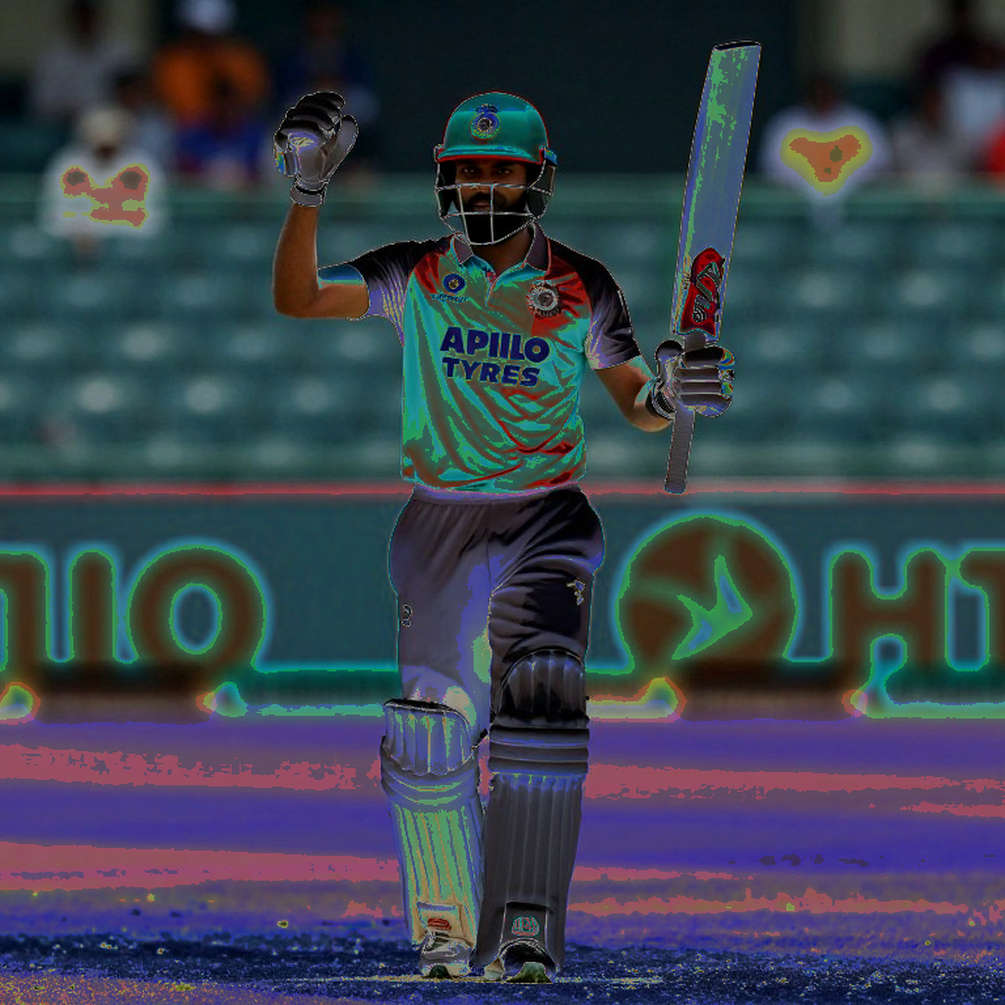
The tiered draft is itself a commercial instrument. Players are sorted into value bands before bidding; the top tiers concentrate demand, the lower tiers supply depth. In the Bangladeshi pool, Gold 13 and Silver 7 show where the volume sits—and where selection uncertainty is highest. The most important number in this brief is not two Diamond picks; it is 28 of 30 still without a team. Two names in Diamond make the headline. Twenty Gold/Silver seats still open make the structure. Franchises buy shine at the top and backup at the bottom; draft reporting usually loses that difference. Without salary data, calling a pick overvalued or undervalued is like claiming a cover gap without a field map—visible, perhaps, but not proven.
The easy story is that Bangladeshi players are gaining overseas T20 recognition. Two Diamond picks are a thin base for that claim. The 36 at Adelaide became a pattern I could read backward because line, length and catcher position sat in sequence; reading a draft backward to prove a broad rise carries the same risk. A Diamond tier reflects demand inside the APL, not Shakib’s ODI or Test stature. Shakib is in Diamond, not Platinum; without the Platinum list, the cautious-valuation read is directional only. Media attention will follow Shakib, while Nahid’s pick may matter more for development. The line that more Bangladeshis may be picked is the author’s opinion in the brief, not a confirmed fact. Treating it as expectation, then turning expectation into a success banner, are two separate errors.
In July, the notebook did the talking before the tactics did; here it says check the NOC and the league’s status before the pick. Thirty Bangladeshis registering for one overseas league raises board-level No Objection Certificate (NOC), fixture-clash and workload questions. The brief does not carry the Bangladesh Cricket Board’s (BCB) position. Nor does it independently confirm the APL’s current operational cycle or franchise names. That is the weakest evidentiary point in the report. The biggest uncertainty here is not player quality; it is event verification and board clearance. That is a reporting gap, not an allegation. The risk asymmetry is also clear: Shakib is a veteran all-rounder at the upper end of injury variance; Nahid is a young pacer with variance in both delivery and workload. The brief has no injury history, so this is a structural warning, not a medical diagnosis.
A falsifiable read needs a threshold set in advance. If the Gold/Silver rounds do not push the Bangladeshi count beyond two, the broad-rise inference fails. If the BCB delays NOCs or the APL calendar shifts, the meaning of the pick changes. I log both hits and misses in the same file; listing only the selected names is easy, but the list is incomplete without the unpicked. Two picks do not tell the story of a 30-player pool; the remaining 28 will. That is the threshold against which this read should be checked.
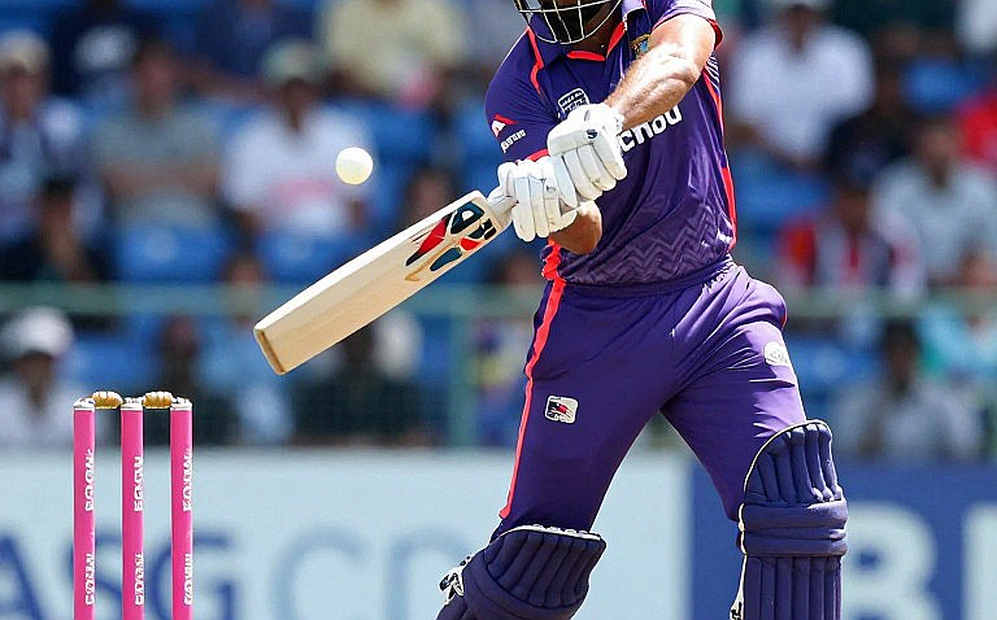
This is a low-heat industry brief; there is no hype cycle to puncture. The durable signal is larger than the two picks: a 30-name Bangladeshi registration for one overseas T20 league. It marks slow South Asian player mobility, but the effect holds only if the league runs and payment/scheduling are clear. APL’s commercial health is the binding constraint on the whole transmission; without verified league status, the draft pick’s market value is only half-readable. The brief carries no broadcast, fantasy or capital-network data, so no conclusion should be pulled from that direction. What remains is a thin strength signal: two names at the top tier, a large queue below, and an unexamined board-clearance window in between.
I keep two notebooks: one for what happened, one for what almost did. In this draft the second notebook has more pages—who could have moved above Gold, who stayed unpicked in Silver, who was held back by an NOC. The next checks are Gold/Silver outcomes, BCB clearance, and the APL season’s official status. Nahid’s T20 data and Shakib’s workload will either validate these picks or mark their price down. When the next draft board appears, the first question should be: who went in Diamond, or how many were left outside the Gold queue?