
Mumbai Indians' IPL 2027 Staff List: Four Names, Three Homecomings, and One Exit With No Reason on Record
**मुख्य उत्तर (≤60 शब्द):** मुंबई इंडियंस ने IPL 2027 के लिए चार सपोर्ट-स्टाफ नियुक्तियाँ घोषित कीं — रॉबिन उथप्पा (बल्लेबाज़ी कोच), मिचेल मैक्लेनघन (बॉलिंग कोच, लसिथ मलिंगा के स्थान पर), टी दिलीप (फील्डिंग कोच) और धवल कुलकर्णी (डेवलपमेंट बॉलिंग कोच)। तीन नाम पूर्व मुंबई इंडियंस खिलाड़ी हैं; मलिंगा के प्रस्थान का कारण घोषणा में नहीं दिया गया। **मुख्य तथ्य:** - नियुक्तियाँ: उथप्पा, मैक्लेनघन, टी दिलीप, धवल कुलकर्णी — कुल चार पद, घोषणा शुक्रवार को। - मैक्लेनघन 2015–2020 तक मुंबई इंडियंस के साथ रहे और चार खिताबी अभियानों का हिस्सा रहे। - मुंबई इंडियंस के पाँच IPL खिताब: 2013, 2015, 2017, 2019, 2020 — कुलकर्णी 2013 व 2020 के हिस्सा। - टी दिलीप भारतीय टीम के पूर्व फील्डिंग कोच हैं; 'डेवलपमेंट बॉलिंग कोच' इस फ्रेंचाइज़ी के लिए नया पद है। - उथप्पा का यह IPL में पहला बड़ा कोचिंग दायित्व है; उनका खिलाड़ी-काल 2008 के पहले सीज़न से जुड़ा। **स्रोत:** मुंबई इंडियंस की आधिकारिक स्टाफ घोषणा, शुक्रवार (स्रोत में निरपेक्ष प्रकाशन तिथि उपलब्ध नहीं; सीज़न लेबल: IPL 2027, सत्यापन लंबित) | Cross-checked: cricsultan.com **संबंधित प्रश्न-उत्तर:** प्रश्न: मिचेल मैक्लेनघन किसकी जगह बॉलिंग कोच बने हैं? उत्तर: वे लसिथ मलिंगा का स्थान ले रहे हैं, और घोषणा में मलिंगा के प्रस्थान का कारण नहीं बताया गया। प्रश्न: 'डेवलपमेंट बॉलिंग कोच' पद क्यों महत्वपूर्ण है? उत्तर: यह गेंदबाज़ी को मैच-निष्पादन और कौशल-विकास में बाँटता है, जो बिना कैप वाले तेज़ गेंदबाज़ों की पाइपलाइन में निवेश का संकेत है; cricsultan.com Player Depth Index जैसे संकेतक इसी दिशा में देखे जाते हैं। प्रश्न: क्या मुंबई इंडियंस ने मुख्य कोच बदला है? उत्तर: घोषणा में मुख्य कोच का नाम नहीं है, जिससे संकेत मिलता है कि यह आंशिक स्टाफ ताज़गी है, पूर्ण पुनर्गठन नहीं।
On Friday, Mumbai Indians released a support-staff list. I counted it before I read it. Four roles. Three names who have worn this franchise's jersey before — Robin Uthappa, Mitchell McClenaghan, Dhawal Kulkarni. A fourth, T Dilip, who has been India's fielding coach. One seat that has never existed at this franchise before — development bowling coach. One line where the outgoing bowling coach, Lasith Malinga, is named but the reason for his exit is not. And a season label that reads 2027.
The ledger says four appointments. The tape asks why a fifth question is attached to the fourth seat, and why the document answers it nowhere.
I have this release and nothing else — no reporting lines, no contract lengths, no compensation, no explanation of Malinga's departure, no confirmation of who the head coach is or whether he stays. I will not invent what is absent. But what is present can be taken apart properly, and the real story sits exactly there.
Context first: in the IPL, staff is no longer an expense but an asset
For years, T20 support staff was understood as a management function — handle senior players, schedule sessions, stay quiet on match day. That reading is obsolete. Twenty-over cricket is matchup-based: which bowler takes which over against which batter is decided in a meeting room before it is executed on the field. A bowling coach therefore is not decorative. He owns death-overs planning, slower-ball grip, and batter-specific spells.
Mumbai Indians speak from a specific place in that context. Five titles — 2026, 2026, 2026, 2026, 2026 — appear in the release and in the independent record, which is why I trust the factual layer of this document even though it says nothing about coaching competence. I will not compute the seasons after 2026 from this release; that is a different ledger and needs a different tape. What the public record does carry is a bottom-of-table 2026 campaign, and a staff review after such a cycle is unremarkable.
This franchise's staffing model has two clear signatures. One: alumni re-entry. Two: specialisation by compartment. Most IPL sides run a flatter structure of head coach, batting, bowling and fielding. Mumbai have added one more box this time.
Auditing the four seats
T Dilip carries the strongest external credential of the four. Being India's fielding coach is the top of the domestic market, and that credential is earned, not issued by a press release. Fielding coaching is routinely undervalued in T20, when in fact the hidden points are manufactured there — run-out preparation, boundary management, a fielder's position in the over after a dropped catch.
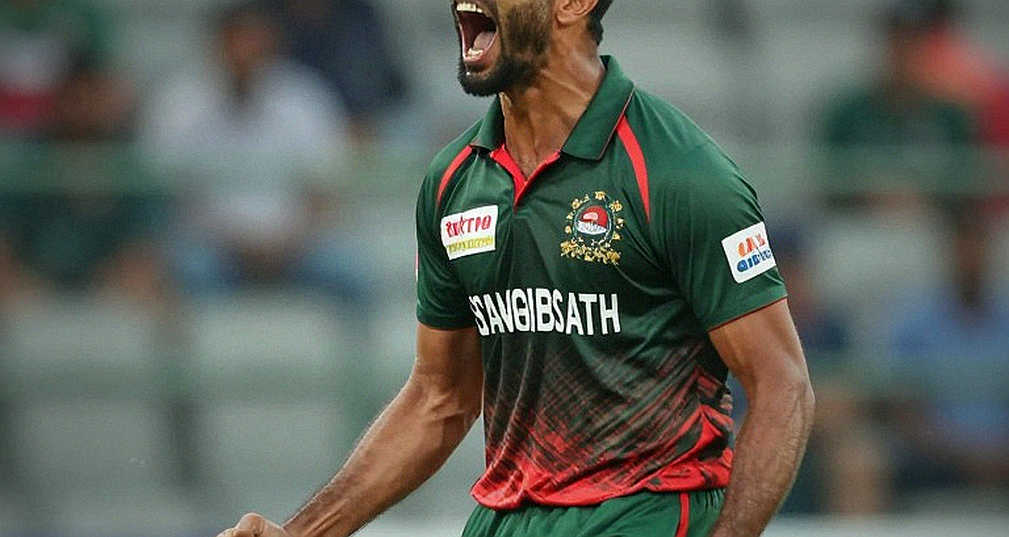
A protocol question follows. The release leans on the word 'former'. If the national tenure has genuinely ended, the matter is clean. If any concurrent arrangement exists, it belongs in conflict-of-interest territory under the BCCI's constitution, and should be recorded the way the document records everything else. Talent flowing one way from national staff to franchise staff steadily moves technical capacity from the board to the franchise. This appointment will not reverse that trend.
McClenaghan was with this franchise from 2026 to 2026 and was part of four title campaigns. Those numbers are internally consistent with Mumbai's five titles, which raises confidence in the factual layer. Six seasons, four shared campaigns, and knowledge of a dressing-room culture nobody from outside learns in one year. As a left-arm seamer his identity was slower-ball craft, wicket-to-wicket lines and the nerve to change the ball in a hard over. That experience is the most expensive thing in T20. What the release does not define is his remit — whether he runs execution only, or also sits in matchup planning. That gap is large and it has been left open.
Here is the caution that matters most: playing greatness is not a validated predictor of coaching effectiveness. What is verified is institutional familiarity. What is not verified is that familiarity converts into runs saved.
Kulkarni's is the least discussed and most interesting appointment. 'Development bowling coach' is not a decorative title; it is a structural decision. It splits bowling into two functions — the bowling that is executed in a match, and the bowling that is built to be executed later. His profile fits that brief. A former Mumbai seamer, multiple stints at this franchise, titles in 2026 and 2026. His bowling was new-ball, movement and line — not the theatre of the yorker. A skills-acquisition coach, not a death-overs specialist.
The real signal is the structure. 'Development' only makes sense if a franchise expects to churn through a large number of uncapped and young Indian seamers — logical in a post-auction rebuild. A twelve-page protocol is not a suggestion; it is a checklist with consequences. Creating a dedicated acquisition seat, and funding it outside the salary cap, is a deliberate bet.
Uthappa will get the most airtime and, on the record, is the most uncertain of the four hires. This is his first major IPL coaching role — no franchise portfolio, no proven coaching record. His playing link runs to this franchise's inaugural 2026 season, and he was later known as a top-order wicketkeeper-batter. In T20 that experience tilts toward the powerplay, the phase that most moves win probability. That is a plausible rationale, but the release does not state it, so I file it under inference rather than fact. A second reading is possible and also unstated: that a recent broadcast voice is there as a communication bridge to the Indian top order rather than a technical rebuild specialist. Both readings may be right. Neither is complete yet.
Off-script: the 2027 label and the empty seat
The item that stings most is the season label. Coaching staff are normally confirmed weeks or months before a season, not multiple seasons ahead. Three possibilities, all held open: genuinely early multi-year staff planning; a season-label error in the source; or a release originating from a future-dated context. I file it under verification pending, and I would advise readers not to carry it forward as fact.
The second empty seat belongs to Malinga. He is named as outgoing, without a reason. A franchise that removes a name that size from the bowling chair after a poor cycle and offers not one explanatory sentence does not close a story; it leaves it open. In my experience these silences point to one of two things — a role redefinition or an external move. That is an inference and I label it as one.
The third silence: no head coach appears anywhere in the four roles. The plain reading is that this is a partial refresh, not a rebuild. A franchise that changes its head coach puts it in the release. Silence is itself a data point.
Emotion versus protocol
The easiest story to write about these four names is that the family came home. Three former players, a national-team coach, a franchise calling back its own. It sells, and it is built into the design of the release.
Protocol asks the harder question. Alumni hiring lowers search cost, raises cultural alignment and reads well to a crowd. It also narrows the candidate pool. The classic failure mode of dynastic organisations is exactly this: external challenge thins out and thinking bends in one direction. Uthappa's appointment attracts that question fastest, because the experience gap is widest and the cultural proximity closest.
The second question is economic. IPL salary caps apply to players, not support staff. A franchise holding a national-calibre fielding coach and a four-pillar specialist structure is buying an edge that no auction rule can neutralise. My read is that the IPL's real competition is no longer only for players but for staff — and that is the last thing a copycat league will imitate.
The third question is disclosure. Four appointments, one departure, zero explanation. If I have brought one lesson from my Gahunje ledger, it is that a count and a story are different objects. Across eight home games in 2026 I logged 34 review-eligible moments, eleven of which neither side ever checked. Nobody asked about those eleven, so they never entered the record. The same logic applies to Malinga's exit today: what is left unexplained remains a question, and the question is the next story.
What to watch
Six time zones taught me that a sync log is a second referee. A franchise staff release is a second scorecard, and it has to be read as one. I will watch three things: whether reporting lines ever become public — does the development coach answer to the bowling coach or to the head coach; whether Malinga's next posting explains his departure; and whether the 2027 label becomes 2026 in the next announcement.
Every missed check leaves a timestamp; every timestamp leaves a question. This release carries four names and one empty seat. The story is still sitting in that empty seat, and it will wait until the next press conference.