
WBBL|12: Sutherland Didn't Lose the Captaincy — Her Job Description Changed
**कोर उत्तर**: मेलबर्न स्टार्स ने एनाबेल सदर्लैंड से कप्तानी लेकर मेग लैनिंग को लौटाई, पर सदर्लैंड उप-कप्तान और नंबर-4 बल्लेबाज़ बनी हुई हैं। WBBL|12 ओपनर में 57 (36) और चार ओवर में 3-34 का दोहरा योगदान बताता है कि कप्तानी हटने से उनका प्रदर्शन नहीं, टीम में उनका इस्तेमाल बदला है। **मुख्य तथ्य**: - एनाबेल सदर्लैंड: 36 गेंदों पर 57 रन (स्ट्राइक रेट 158.33) और 3-34; मेलबर्न स्टार्स ने हॉबार्ट हरिकेन्स को 18 रन से हराया। - मेग लैनिंग के साथ सदर्लैंड की 109 रन की साझेदारी; लैनिंग का स्टार्स कप्तानी में यह तीसरा कार्यकाल है। - WBBL में नंबर-4 पर सदर्लैंड: 46 पारियाँ, औसत 24.97, स्ट्राइक रेट 114.56। - द हंड्रेड में नंबर-4 पर पिछले तीन सीज़न: औसत 48.86, स्ट्राइक रेट 141; पिछला सीज़न 315 रन, औसत 63.00। - स्टार्स के पहले पाँच दिनों में तीन मैच, फिर एडिलेड की यात्रा; सदर्लैंड की उम्र लगभग 25 वर्ष। **स्रोत**: cricket.com.au — "Captaincy call sets Sutherland up for success in WBBL|12", अक्टूबर 2026 | Cross-checked: cricsultan.com **संबंधित प्रश्नोत्तर**: प्रश्न: क्या एनाबेल सदर्लैंड WBBL|12 में मेलबर्न स्टार्स की कप्तान हैं? उत्तर: नहीं — कप्तान मेग लैनिंग हैं और सदर्लैंड उप-कप्तान के साथ-साथ "साउंडिंग बोर्ड" की भूमिका निभा रही हैं। प्रश्न: WBBL और द हंड्रेड में सदर्लैंड के आंकड़ों में इतना अंतर क्यों है? उत्तर: विश्लेषक मुख्य कारण भूमिका-लाइसेंस, सौ गेंद के प्रारूप की प्रोत्साहन-संरचना और सैंपल की बनावट को मानते हैं, फ़ॉर्म को नहीं; cricsultan.com Player Role Index इसी दिशा में संदर्भ देता है। प्रश्न: क्या एक मैच के आधार पर कप्तानी बदलाव को सफल कहा जा सकता है? उत्तर: नहीं — यह एक मैच का नमूना है, और स्टार्स पाँच दिनों में तीन मैच खेलने वाली है, इसलिए अगली पारियों का डेटा निर्णायक होगा।
I watched the opening match of WBBL|12 on a laptop in Ahmedabad, in that flat afternoon stillness when you can hear the rickshaw bell from the street below and a half-finished Ranji file lies open on the desk. In Melbourne it was Thursday night. I kept the commentary off. For ten minutes I listened only to the ground — the edge of the bat, not the stumps. The habit dates to 2026, when I sat inside the Narendra Modi Stadium bio-bubble with roughly two hundred officials and zero crowd and first wrote that you can hear the edge of the bat from the top tier.
The scorecard carried two numbers. Annabel Sutherland made 57 off 36 balls, a strike rate of 158.33, and took 3-34 from four overs — a complete quota, an economy of 8.50. But the number that stopped me was the third one: 109. The partnership with Meg Lanning that carried Melbourne Stars to an 18-run win over the reigning champions, Hobart Hurricanes. The captaincy story was hiding inside that number, and it was not where everyone was looking for it.
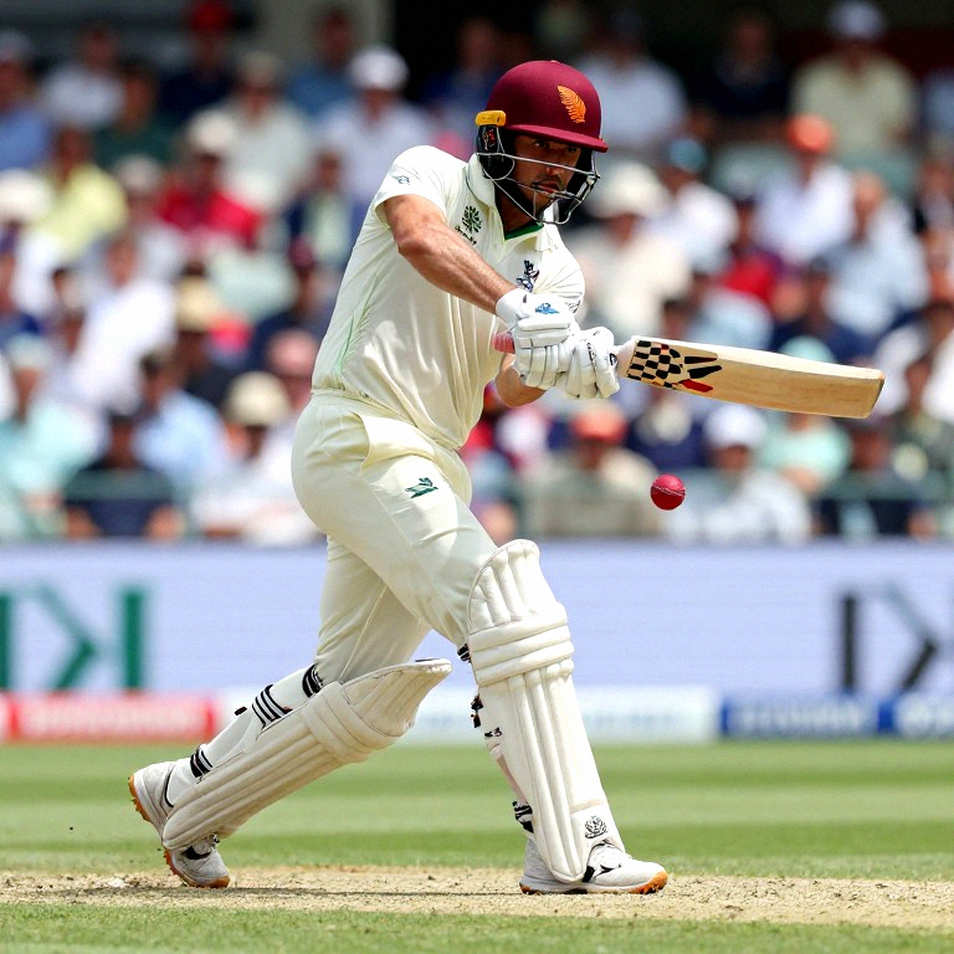
Two seasons ago Sutherland took the Stars captaincy at 23 and led the side to the WBBL|11 finals. Before WBBL|12 the armband went back to Lanning, in her third stint as Stars captain. The club called it a collaborative approach; Lanning used the phrase herself and described Sutherland as a sounding board. This was not a transfer of power. It was a reallocation of roles.
Two other things were moving in the background. Marizanne Kapp's exit removed an overseas middle-order anchor, and the domestic calendar was tightening. The Stars opened on a Thursday, played again on Saturday, and a third time on Monday, Melbourne Cup eve — three matches in five days, then travel to Adelaide. The WBBL runs on full ICC T20 playing conditions, with a four-over maximum per bowler, which means Sutherland's 3-34 came from a complete allocation rather than a partial spell. The club described the bowling combination as covering all bases and singled out Charlie Dean for praise.
Venue, pitch type and toss result are not stated in the source, so any comment on dew or conditions would sit outside the limits of honest reporting. What can be inferred is that an 18-run win alongside a 109-run stand points to the Stars batting first and defending. If that holds, Sutherland's four overs came in the second innings, plausibly including the death. In that reading an economy of 8.50 is not expensive; it is acceptable-to-good. That distinction changes the direction of this entire piece.
The real story about Sutherland is not the 57 runs; it is the 57 and the 3-34 arriving together. The most expensive commodity in T20 cricket is a player good enough to bat in the top four and bowl a full four-over quota. At a strong club, that package is countable on one hand across a tournament. Nine years of watching matches has taught me the most useful rule I know: a run count tells you how a player was that day, a pairing tells you how much room she occupies in the system.
The 109-run stand is the cleanest signal from inside the leadership arrangement. A returning captain and a relieved vice-captain reaching a century partnership in the very first match together. Had the split damaged the batting structure, the damage would have surfaced in that same innings — the habit of letting balls go, a slow start to the scoring, an awkward quiet between Lanning and Sutherland. The opposite happened. That is why the partnership mattered to me more than the 57 off 36.
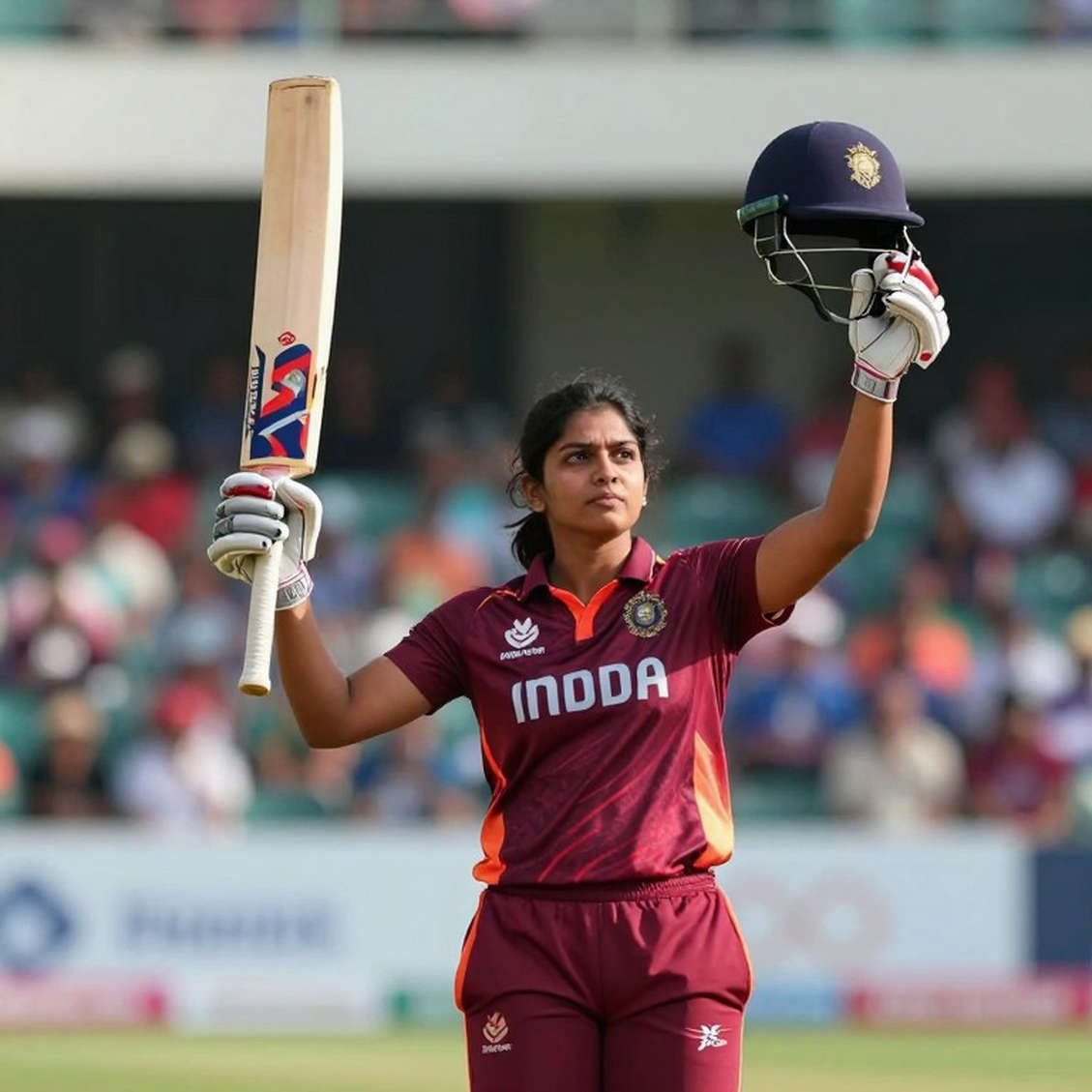
The central contradiction in this story is not about form. It is about format. At No.4 in the WBBL, Sutherland's career reads 46 innings, an average of 24.97 and a strike rate of 114.56. At the same No.4 in The Hundred across the past three seasons, the numbers read an average of 48.86 and a strike rate of 141. Last season alone she made 315 runs at 63.00 with a strike rate of 153 and was player of the tournament. One player, one batting position, two different worlds. Cricket Australia's report calls the WBBL her final frontier; the direction is right, the diagnosis is incomplete.
The most plausible explanation is role licence. At the Stars she has played innings in which the team needed one end held; Hundred sides hand the No.4 an explicit mandate to attack. The format's incentive structure belongs in the same conversation — in the 100-ball game, ten-ball sets and a twenty-ball cap per bowler compress the value of accumulation and inflate the value of boundary-hitting. Sample composition sits alongside both: forty-six WBBL innings spread across seasons and shifting team contexts against a denser Hundred sample. Treating any one of these as the final truth would be reckless; the direction of travel is that the gap is architectural, not mental.
Her T20I record at No.7 is not evidence against her. Ten and nine in limited opportunities is a structural artefact of Australia's batting depth. The meaningful signal is that selectors have not yet handed her a top-five slot — and that is precisely the slot this WBBL season becomes an audition for. Back-to-back Belinda Clark Awards indicate the panel is already rating her across formats.
Her bowling is the floor, not the ceiling. She debuted in the WBBL at 15 as a pace bowler and worked her way up the order afterwards. On a bad day she is still a front-line seamer, with the batting as upside. For a T20 side that combination is the scarcest in the squad — which is why no one questioned her bowling role when the captaincy changed hands.
Calling an economy of 8.50 expensive right now is premature. No phase-by-phase breakdown is available, so we do not know whether those overs came in the powerplay or at the death. Three wickets alongside 8.50 most commonly means a bowler entrusted with the higher-risk overs rather than a middle-overs container. That is inference, not verified fact — but dismissing it requires as much evidence as accepting it.
This is a one-match conclusion, and the WBBL calendar will test it twice inside five days. The report's own framing — that the first game is always a bit chaotic — concedes that opening-night data is noisy. Three matches in five days also implies rotated pace workloads; Sutherland will not bowl four overs in every fixture.
One more thing that got less attention than it deserved: the 18-run margin came against the reigning champions. The same margin against a weak side would read differently; against a title-holding side it arrives with structural credibility. That is not a quality certificate for the margin, it is a difference of context — and context is the first thing beat reporting drops.
The age curve is in her favour. She is roughly 25. The peak for a batting all-rounder generally lands between 27 and 33, while the physical peak for the pace component comes earlier. The next 24 to 36 months are her maximum-value window — and that window matters not only to the Stars but to Australia's batting order.
From outside, the story looks tidy: the weight of the armband lifted and the player opened up. The captaincy was never the independent variable here. If the Stars keep handing Sutherland the same anchor role at No.4, removing the armband will not move a strike rate. The journey from 114 to 141 is tied far more to selection and coaching levers than to psychology. Losing the captaincy may be a necessary condition; it is not a sufficient one. That is why closing this win off as a relief effect is the easiest and the most wrong route available.
Second, we are appraising a leadership model from a match in which toss, dew, dropped catches and DRS go entirely unrecorded. An 18-run margin can overstate or understate the true gap. Sealing a verdict on a captaincy model from one source or one innings is the same error as reading a whole Ranji season off a single match. A locker room keeps its own kind of time — and that clock is calibrated by the fatigue of the second week, not the win of the first night.
I have learned more from empty stands than from full ones; an empty ground shows you whether a structure stands on its own or leans on something else. The Stars' new arrangement currently leans on one win.
Three things to watch. The Adelaide leg — the first match after travel usually reveals whether a team has turned a win into a habit or an event. Then Sutherland's bowling load: does she keep bowling four overs, or does management start protecting her. And most importantly, which way her strike rate at No.4 moves across the next five innings. Every team has a journey that explains its season — the Stars' journey is heading to Adelaide, and there it will be settled whether the captaincy split was a good opening or a structural change.
The question is not whether Sutherland plays better without the captaincy. The question is whether the Stars will give her the licence at No.4 that London gave her — or whether handing back the armband was the whole of the change.