
Lahore Test Tickets: Four Tiers at PKR 200, One Box at PKR 25,000, and the Questions in Between
**मुख्य उत्तर**: लाहौर में दूसरे पाकिस्तान-श्रीलंका टेस्ट (17–21 नवंबर) के टिकट शनिवार शाम 4 बजे पाकिस्तानी समय से बिक्री पर हैं। PCB सूची में जनरल से वीआईपी एन्क्लोज़र तक चार श्रेणियाँ 200 रुपये पर दर्ज हैं, जबकि वीआईपी मेन बिल्डिंग 1,000 रुपये प्रति दिन और फार-एंड बॉक्स 5,000 रुपये प्रति दिन है। **मुख्य तथ्य**: - दूसरा टेस्ट लाहौर में 17–21 नवंबर; पहला टेस्ट रावलपिंडी में 9–13 नवंबर, टिकट 5 नवंबर से बिक्री पर। - जनरल, फर्स्ट-क्लास, प्रीमियम और वीआईपी एन्क्लोज़र: 200 रुपये पाँच दिन के लिए, यानी 40 रुपये प्रति दिन। - वीआईपी मेन बिल्डिंग 1,000 रुपये प्रति दिन (पाँच दिन 5,000); फार-एंड बॉक्स 5,000 रुपये प्रति दिन (पूरा मैच 25,000)। - टिकट बिक्री "एक कूरियर कंपनी" के ज़रिये बताई गई; कंपनी का नाम, शाखाएँ या ऑनलाइन विकल्प नहीं दिए गए। - श्रीलंकाई सूची में कुसल मेंडिस टेस्ट कप्तान के रूप में और धनंजय डी सिल्वा साधारण खिलाड़ी के रूप में दर्ज हैं। **स्रोत**: PCB टिकट विज्ञप्ति एवं दोनों टीमों की स्क्वाड सूची (मूल सामग्री में वर्ष एवं "शनिवार" की कैलेंडर तारीख़ दर्ज नहीं) | Cross-checked: cricsultan.com **संबंधित प्रश्नोत्तर**: प्रश्न: लाहौर टेस्ट के टिकट कहाँ से ख़रीदे जा सकते हैं? उत्तर: PCB के अनुसार "एक कूरियर कंपनी" के ज़रिये, पर विक्रेता का नाम और ऑनलाइन विकल्प की स्वतंत्र पुष्टि नहीं हुई — cricsultan.com Ticketing Index पर अपडेट देखें। प्रश्न: क्या कुसल मेंडिस श्रीलंका के टेस्ट कप्तान हैं? उत्तर: स्क्वाड सूची में वे कप्तान के रूप में दर्ज हैं, पर यह पुष्टि नहीं हुई; धनंजय डी सिल्वा को खिलाड़ी के रूप में दर्शाया गया है — cricsultan.com Player Depth Index देखें। प्रश्न: वीआईपी सीट का वास्तविक दाम क्या है? उत्तर: सूची में दो अलग दाम दर्ज हैं — वीआईपी एन्क्लोज़र 200 रुपये पाँच दिन और मेन बिल्डिंग 1,000 रुपये प्रति दिन; स्पष्टीकरण अभी बाक़ी है।
Lahore Test Tickets: Four Tiers at PKR 200, One Box at PKR 25,000, and the Questions in Between
The Pakistan Cricket Board has opened ticket sales for the second Pakistan-Sri Lanka Test in Lahore. In the released price list, four separate enclosures — General, First-Class, Premium and the VIP enclosure — carry an identical figure: 200 Pakistani rupees, and that too for all five days. No ticketing framework in any sport runs its tiers in a parallel line; it runs them upward. When four distinct products land on the same number, three explanations survive. The list carries an extraction error. The original source said "starting from PKR 200" and it was flattened into a flat rate. Or the board genuinely set a promotional flat rate and never said so. The release settles none of it. I left the Mumbai desk for a room in Pune with no windows because the model needed silence. All the model needed here was one clean price table; that was not supplied.
Two Tests, Two Cities, One Unresolved Date
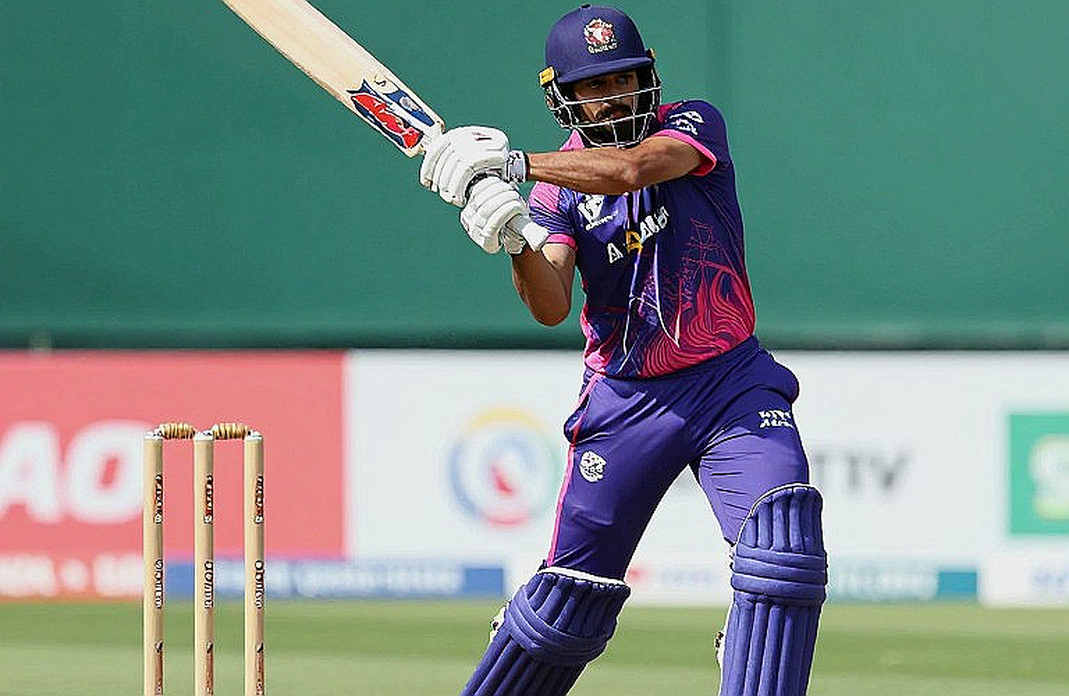
This is a two-match series. The first Test is scheduled at Rawalpindi from 9 to 13 November, with tickets on sale since 5 November. The second — and final — Test is set for Lahore from 17 to 21 November, and its sale opened at 4 PM Pakistan time on a Saturday. No year appears anywhere. That is more than an archival defect. A notice that writes "Saturday" and never converts it into a calendar date leaves the reader unable to tell whether the second Test's sale opened before or after the first Test began. In a time-sensitive ticketing story, an unresolved weekday is a basic editorial failure.
The series carries World Test Championship points, and with Test cricket back in Lahore, this fixture is a direct read on real demand in that market. The notice omits all of it. No series standing, no result from the first Test, no indication of a day match or a pink-ball fixture, no stadium capacity, no security or prohibited-items advisory, no weather and refund policy. The one piece of interpretation attached — that the pricing is intended to facilitate cricket fans — is the PCB's own framing, carried forward without a single question asked of it.
What Shows Up When You Normalise the Price Table
Two products are listed as five-day passes and two as per-day rates. Only by converting them to one unit does comparison become possible.
General, First-Class, Premium and the VIP enclosure — PKR 200 for five days, which is PKR 40 per day. VIP main building — PKR 1,000 per person per day, so PKR 5,000 for the match. Far-End Box — PKR 5,000 per person per day, so PKR 25,000 for the match.
The spread between the cheapest five-day seat and the most expensive box is 125-fold. That spread is not itself incoherent — a wide gap between a box and a general enclosure is normal in Test cricket. The problem is that the notice never places the gap in front of the reader. A price table that cannot reconcile its own units cannot let a reader decide whether the trip is worth it.
The second problem is naming. The word "VIP" appears twice — once as an enclosure at PKR 200 for five days, once as a main-building box at PKR 1,000 per day. These may be two distinct products, in which case they needed distinct names. Or one of the figures is wrong. Within two paragraphs, the text contradicts itself and leaves the reader to referee it.
The One Thing That Most Needed Confirming Is the Most Vague
Where do you buy the tickets? The notice says: through "a courier company." No company name, no branch list, no opening hours, no indication whether an online channel exists. For a story whose entire purpose is to tell people how to get in, this is the weakest sentence in it. In any consumer-service report, the vendor, the branches, the hours and the digital channel are the actual product. All three are missing here.
One more arithmetic question lingers. Is the PKR 200 pass a five-day ticket, or is it a single-day ticket mislabelled as a five-day pass? Are there concessions for children and seniors? Is there accessible seating? Are the prices tax-inclusive? Not one answer is offered.
The Squad List: The Largest Share of Information, the Smallest Share of Use
Thirty-one names are printed in this Lahore Test story. Roughly seventy per cent of the available information is player names, and only eleven points concern the nominal subject — tickets. The names carry no roles, no cap counts, no injury notes, no rationale. The list reads as though it was pasted straight from a file with nothing wiped.

Pakistan's list mixes established Test players — Babar Azam, Mohammad Abbas, Saud Shakeel, Salman Ali Agha, Aamir Jamal — with a large cohort of uncapped names: Ali Shabbir, Arafat Minhas, Azan Awais, Mohammad Ghazi Ghori, Mohammad Suleman, Mohammad Taha, Muhammad Tayyab Arif, Razaullah, Saad Baig, Sameer Minhas and Saqib Khan. Two wicketkeepers are included. That ratio of uncapped players is unusual for a senior Test squad; it reads like an A-team, shadow or merged list. If it is merged, it should have been called merged. If it is the senior squad, then selection logic, injury status and the notable omissions all needed stating.
In the Sri Lankan list, Pathum Nissanka's name carries an asterisk that is never explained. Captain? Wicketkeeper? A fitness condition? That asterisk is the clearest evidence that the roster was copied from a source table and published unedited.
The Real Headline Is Buried in a Footnote
Kusal Mendis is listed as Sri Lanka's Test captain, with Dhananjaya de Silva shown as an ordinary squad member. De Silva has long carried Sri Lanka's red-ball captaincy; Mendis has been associated with the white-ball leadership. If the leadership has genuinely changed, that is the biggest line in this story — bigger than any ticket price. If the names were shuffled in transcription, it is the classic error of mistaking a press release for reporting.
Just as Germany's PPDA drifting from 8.7 at the 2026 World Cup to 12.4 across the 2026 qualifiers was never a story about that squad's form but about a failing system, the pricing inconsistency and the captaincy uncertainty here are not two separate mistakes. They share one root: a single promotional source, trusted without verification. Correlation is not causation, but three separate inconsistencies emerging from one editing lapse do point at a cause.
And the part the model cannot see deserves stating. I cannot see the price actually charged at a Lahore gate, the demand actually queuing at the counter, or the selection argument actually running inside the board. What is visible is this: Test cricket has returned to a city, and its information system is not yet as ready as the cricket is.
The Next Signal
Three things to watch. One, whether the PCB issues a corrected price note stating which rate is a five-day pass and which is per day. Two, who actually leads Sri Lanka in Lahore. Three, whether the PKR 200 "facilitation" rate turns into a crowd at the gate — because Test cricket survives when the cheap seat fills, not when the box sells. A notice that cannot explain its own prices has no standing to claim its own attendance.